 Save
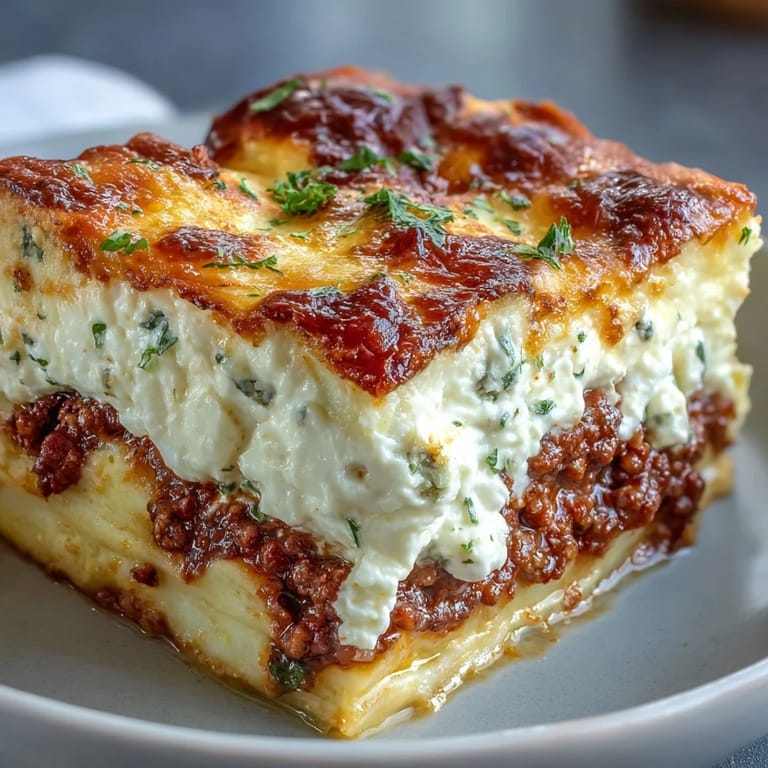
Save The bubbling sound of cheese browning in the oven always pulls me back to Sunday afternoons when my kitchen smelled like a trattoria. I started making lasagna because I wanted something impressive that didn't require constant attention, and this recipe delivered beyond expectation. The layers hold together beautifully, the flavors marry overnight in the fridge, and every single person who's tasted it asks for the recipe. It's not fussy, but it feels like you spent all day in the kitchen. That's exactly the kind of magic I love.
I made this for my neighbor's birthday dinner once, and she cried when she took the first bite because it reminded her of her grandmother's cooking. I hadn't expected that reaction, but it taught me that lasagna isn't just food. It's layers of comfort, tradition, and the kind of warmth that makes people feel at home. Now I make it whenever I want to show someone I care, and it never fails to deliver that same quiet magic.
Ingredients
- 12 sheets lasagna noodles, uncooked: I love using uncooked noodles because they absorb the sauce and become tender without the hassle of boiling and draining.
- 15 oz ricotta cheese: This creates the creamy layer that balances the richness of the meat, and mixing it with egg helps it set beautifully.
- 1 large egg: It binds the ricotta so it doesn't ooze out when you slice, giving you clean, gorgeous layers.
- 4 cups shredded mozzarella cheese: The star of the golden, bubbly top, and I always keep a little extra on hand because cheese is never a mistake.
- 1 cup grated Parmesan cheese: Adds a sharp, salty finish that cuts through the richness and makes every bite more complex.
- 1 lb ground beef (lean recommended): I use lean beef to avoid a greasy sauce, but it still brings deep, savory flavor to every layer.
- 1 lb Italian sausage (sweet or spicy, casing removed): This is where the magic happens, the fennel and herbs in the sausage add so much character.
- 4 cups marinara sauce (homemade or store-bought): I've used both, and honestly, a good jar of marinara works beautifully when time is tight.
- 4 cloves garlic, minced: Fresh garlic bloomed in olive oil makes the whole house smell like an Italian grandmother is cooking.
- 2 tablespoons olive oil: Just enough to coax out the garlic's sweetness without overpowering the meat.
- ¼ cup fresh basil, chopped: Fresh basil brightens the sauce in a way dried herbs just can't match.
- 1 teaspoon salt: I taste as I go and adjust, but this is a good starting point for balancing the flavors.
- ½ teaspoon black pepper (to taste): A little heat in the background makes everything else pop.
Tired of Takeout? 🥡
Get 10 meals you can make faster than delivery arrives. Seriously.
One email. No spam. Unsubscribe anytime.
Instructions
- Preheat your oven:
- Set it to 375°F (190°C) so it's ready when your lasagna is assembled. This temperature gives you a golden top without drying out the layers.
- Bloom the garlic:
- Heat olive oil in a large skillet over medium heat, then add minced garlic and sauté until fragrant, about 1 minute. You'll know it's ready when the smell fills your kitchen.
- Brown the meat:
- Add ground beef and Italian sausage to the skillet, breaking it up with a wooden spoon as it cooks. Let it brown for 8 to 10 minutes, then drain any excess fat so the sauce stays rich but not greasy.
- Build the sauce:
- Stir in marinara sauce, salt, pepper, and chopped basil, then let it simmer for 10 minutes. This gives the flavors time to marry and deepen.
- Prepare the ricotta mixture:
- In a mixing bowl, combine ricotta cheese and egg, mixing until smooth and creamy. This will be your luscious middle layer.
- Start layering:
- Spread a thin layer of meat sauce on the bottom of a 9x13 inch baking dish to prevent sticking. This base is your foundation.
- Add the first noodle layer:
- Lay down 4 sheets of uncooked lasagna noodles, slightly overlapping. They'll soften and expand as they bake.
- Layer ricotta and cheese:
- Spread half of the ricotta mixture over the noodles, sprinkle a third of the mozzarella on top, then cover with more meat sauce. Press gently so everything nestles together.
- Repeat the layers:
- Add another layer of noodles, the remaining ricotta mixture, another third of mozzarella, and more meat sauce. You're building something beautiful here.
- Finish strong:
- Top with the last layer of noodles, cover with remaining meat sauce, then shower it with the rest of the mozzarella and all the Parmesan. This is where the magic crust happens.
- Bake covered:
- Cover the dish tightly with foil and bake for 25 minutes. The foil traps steam and helps the noodles cook through without drying out the top.
- Finish uncovered:
- Remove the foil and bake an additional 15 minutes until the cheese is golden and bubbly. Watch it carefully during these last minutes, the top can go from perfect to overdone quickly.
- Let it rest:
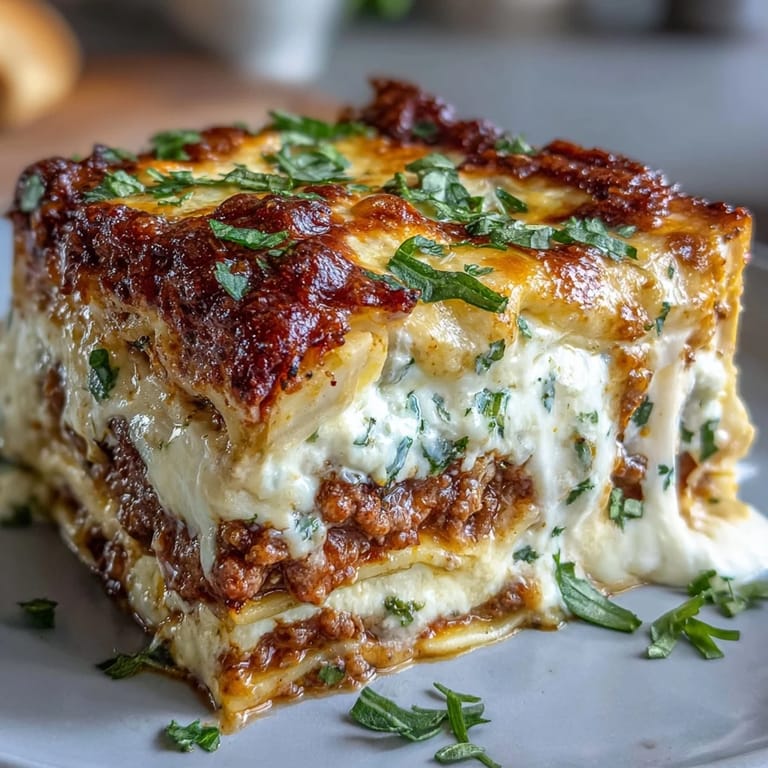
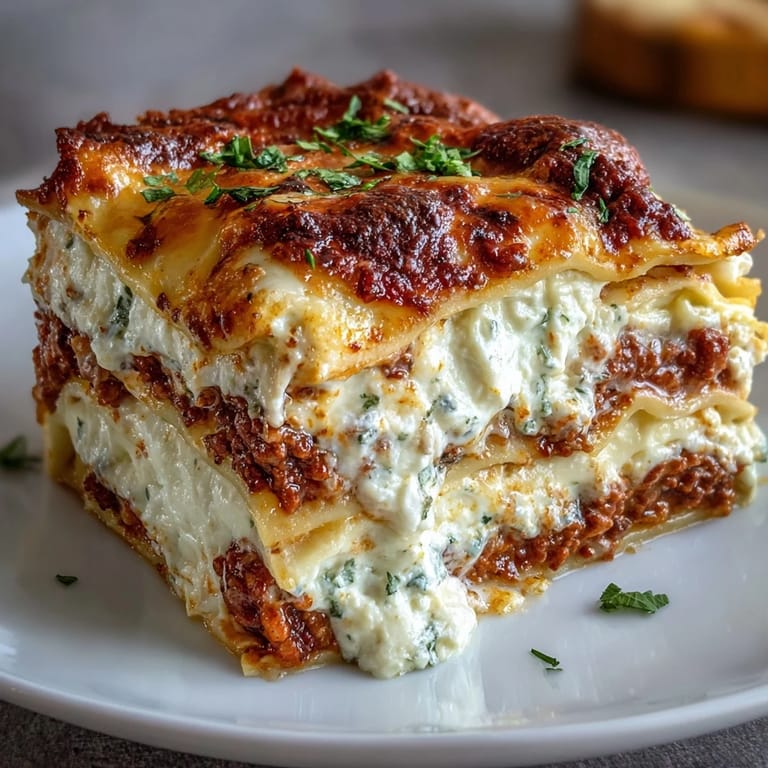
- Allow the lasagna to rest for at least 15 minutes before slicing. This step is crucial, it lets the layers set so you get clean, gorgeous slices instead of a saucy mess.
 Save
Save There's a moment when you pull this out of the oven and everyone stops talking. The cheese is golden, the edges are crispy, and the smell is so good it feels like a hug. I've served this at birthday dinners, quiet weeknights, and chaotic holiday gatherings, and it always brings people together. It's the kind of dish that makes your kitchen feel like the heart of the home.
Make It Your Own
I've tucked sautéed spinach and mushrooms into the ricotta layer when I want extra vegetables, and it adds an earthy sweetness that surprises everyone. You can also swap in ground turkey or chicken sausage if you want a lighter version, though I find the Italian sausage is what really makes this sing. Some nights I add a pinch of red pepper flakes to the sauce for a little kick, and it's never been a mistake.
Storage and Reheating
Lasagna is one of those rare dishes that actually improves after a night in the fridge. The flavors settle, the layers firm up, and reheating a slice in the oven brings back that bubbly, golden magic. I've frozen whole pans for up to two months, wrapped tightly in foil and plastic, and they bake up beautifully straight from the freezer with an extra 20 minutes in the oven. It's like having a homemade meal waiting for you on a busy night.
Pairing and Serving Suggestions
I love serving this with a simple arugula salad dressed in lemon and olive oil, the peppery greens cut through the richness perfectly. A crusty baguette for mopping up extra sauce is non-negotiable in my house, and a robust Chianti or Sangiovese makes it feel like a special occasion even on a Tuesday. If you're feeding a crowd, this pairs beautifully with roasted garlic bread and a light antipasto platter.
- Let the lasagna cool for 5 minutes after resting if you want even cleaner slices.
- Use a sharp knife wiped clean between cuts for magazine-worthy presentation.
- Leftover meat sauce freezes beautifully and makes a quick pasta dinner later in the week.
 Save
Save This lasagna has become my go-to for moments when I want to feed people something that feels like love on a plate. It's forgiving, it's generous, and it never lets me down.
Recipe Q&A
- → Can I use no-boil lasagna noodles for this dish?
Yes, no-boil noodles work perfectly. They absorb moisture from the sauce during baking. Ensure your meat sauce has enough liquid and cover tightly with foil during the initial baking period.
- → How do I prevent my lasagna from being watery?
Drain excess fat from the cooked meat thoroughly and let the meat sauce simmer to thicken. Most importantly, allow the lasagna to rest for 15 minutes after baking so the layers can set properly.
- → Can I make this lasagna ahead of time?
Absolutely. Assemble the lasagna completely, cover tightly with foil, and refrigerate for up to 24 hours before baking. Add 10-15 minutes to the covered baking time if starting from cold.
- → What can I substitute for Italian sausage?
You can use all ground beef, ground turkey, or ground chicken. For vegetarian options, try crumbled firm tofu, lentils, or a mix of sautéed mushrooms and zucchini for hearty texture.
- → How should I store and reheat leftovers?
Store covered in the refrigerator for up to 4 days. Reheat individual portions in the microwave or cover with foil and warm in a 350°F oven for 20-25 minutes. Freezes well for up to 2 months.
- → Why does the lasagna need to rest before serving?
Resting allows the cheese to set and the layers to firm up, making it much easier to cut clean slices. This prevents the lasagna from falling apart and creates beautiful presentation.