 Save
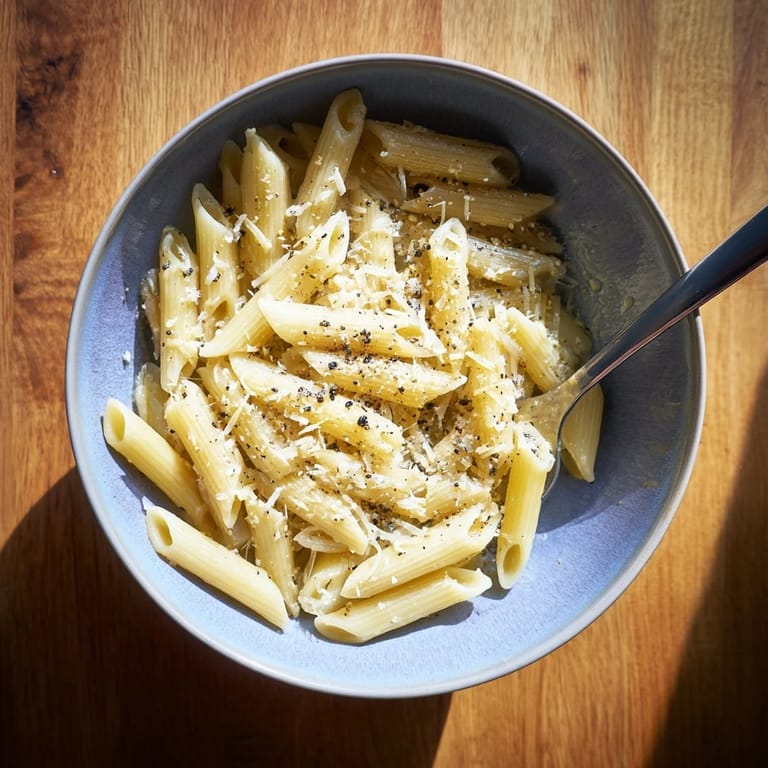
Save My sophomore year dorm microwave became my unexpected best friend. I discovered this technique during finals week when the cafeteria closed too early and my craving for actual pasta outweighed my fear of kitchen experimentation. Now whenever I smell microwave-cooked pasta, I am transported back to those 2am study sessions with a textbook in one hand and a fork in the other.
I once served this to my skeptical roommate who swore microwaved pasta would be rubbery. She watched with crossed arms as I stirred in butter and Parmesan then proceeded to ask for seconds before the bowl even hit the table. Now she texts me from her first apartment asking for the ratio again because she still cannot believe it works.
Ingredients
- Dried pasta: Short shapes like penne or fusilli cook most evenly but I have used broken spaghetti in a pinch
- Water: The exact ratio matters because too little leaves crunchy pasta and too much creates a starchy overflow mess
- Salt: This seasons from the inside out so do not skip it even if you plan to add salty cheese later
- Olive oil or butter: A teaspoon prevents sticking and adds that silky restaurant finish that makes it feel intentional
- Parmesan cheese: Freshly grated melts into the hot pasta better than the pre-shaken stuff
Tired of Takeout? 🥡
Get 10 meals you can make faster than delivery arrives. Seriously.
One email. No spam. Unsubscribe anytime.
Instructions
- Combine pasta and water:
- Place the dried pasta in a large microwave-safe bowl. It should fill no more than half the bowl. Add the measured water and salt then give everything a quick stir to separate the pieces.
- First microwave burst:
- Cook uncovered on high power for 4 minutes. The water will not look like much yet but it will foam up dramatically so choose your bowl size carefully.
- Continue cooking:
- Stir thoroughly then microwave in 2-minute intervals stirring after each until the pasta is tender and most liquid has been absorbed. This usually takes 8 to 10 minutes total but depends on your microwave.
- Finish and season:
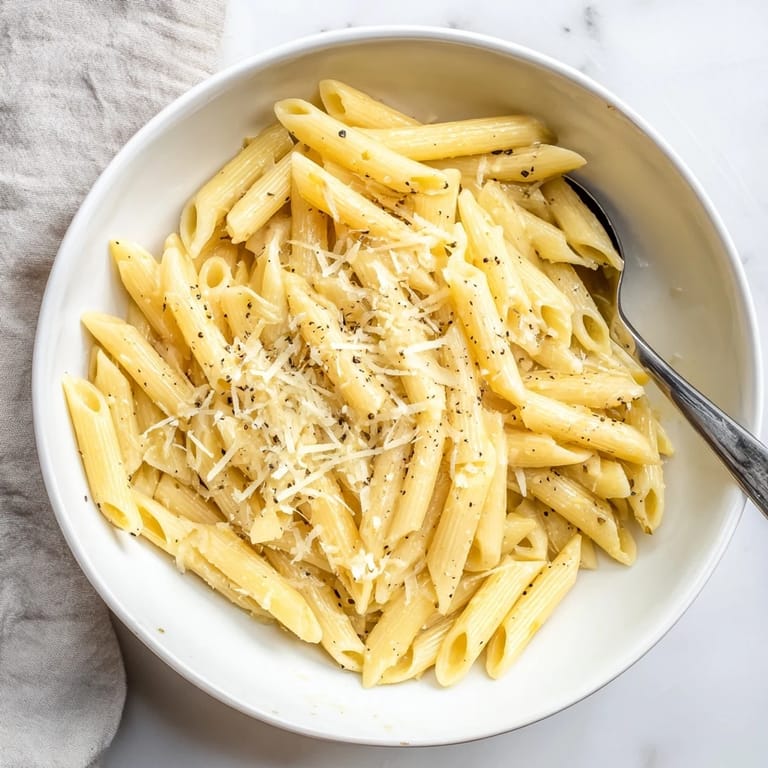
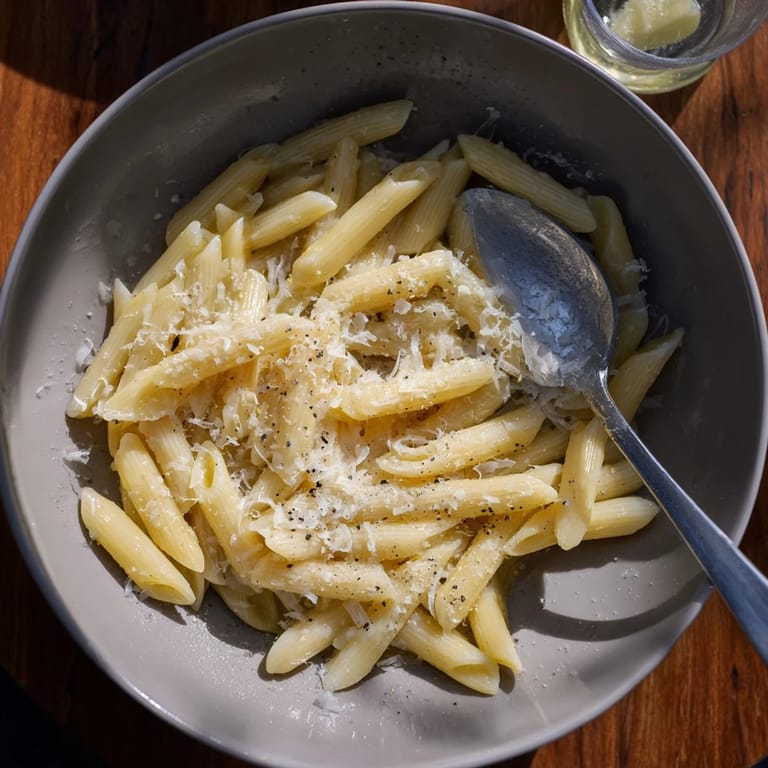
- Drain any excess water then immediately stir in olive oil or butter. Add Parmesan and black pepper plus any sauce you are using. Serve while steaming hot.
 Save
Save This recipe saved me during a kitchen renovation when my stovetop was disconnected for three weeks. I ate more variations of microwave pasta than I care to admit but discovered that the method is genuinely forgiving. Now even with a fully functional kitchen I still make this on busy Tuesdays when standing over a boiling pot feels like too much effort.
Choosing Your Pasta Shape
Short pasta shapes work best because they cook evenly and stir easily without breaking. I have learned that larger tubes like rigatoni might need an extra minute while tiny shapes like orzo cook faster than expected. Whole wheat pasta tends to absorb more liquid so add a splash more water if you go that route.
Avoiding Overflow Disasters
The first time I made this I ended up cleaning microwaved starch off every surface of the appliance. The bowl must be at least twice as tall as your pasta level and I never walk away during those first 4 minutes. If you see the water foaming up simply pause the microwave for 30 seconds then resume.
Building It Into a Meal
A simple bowl of pasta becomes dinner with the right additions. I keep frozen peas in the freezer to toss in during the last 2 minutes of cooking or stir in a handful of spinach right after microwaving while the pasta is still hot enough to wilt it.
- Canned beans or leftover rotisserie chicken add protein without extra pans
- A dollop of jarred marinara or pesto transforms it into something saucy
- Red pepper flakes and extra Parmesan make it feel like a conscious choice not just a backup plan
 Save
Save Sometimes the simplest methods are the ones that stick with you longest. I never expected to champion microwaved pasta but here we are.
Recipe Q&A
- → What type of pasta works best in the microwave?
Short pasta shapes like penne, fusilli, and elbow macaroni work best because they cook evenly and fit well in a microwave-safe bowl. Avoid long pasta like spaghetti as it requires more water and a larger container.
- → Why does the pasta need to be stirred during cooking?
Stirring prevents the pasta from clumping together and ensures even cooking throughout. It also helps distribute heat and prevents the water from boiling over the bowl's edges.
- → Can I double this for two servings?
Yes, but use a much larger bowl and increase water to 750 ml (3 cups). Cooking time will increase by 2-4 minutes. Monitor closely and stir more frequently to prevent overflow.
- → How do I prevent the water from boiling over?
Use a large bowl where pasta fills no more than half the space. This provides room for water to bubble without spilling. Stirring at intervals also helps control boiling.
- → Can I add sauce directly while cooking?
It's best to add sauce after cooking. Adding tomato-based or creamy sauces during microwaving can cause uneven heating and may result in burning or separation of the sauce.
- → How do I know when the pasta is done?
The pasta should be tender but still firm to the bite (al dente), and most water should be absorbed. Taste test after 8 minutes, then continue in 1-minute intervals if needed.