 Save
Save The first time I encountered matcha was in a tiny Tokyo café where the barista's whisk moved like it had a mind of its own, creating this impossibly smooth, jade-colored foam. I spent years trying to recreate that ritual at home, over-whisking, under-whisking, and watching countless sad clumps float stubbornly in my mug. Then somewhere between a foggy Tuesday morning and a desperate need for something better than office coffee, I finally cracked the code. Now this latte has become my go-to moment of calm, and the kitchen always smells faintly of grassy sweet earth while I make it.
My sister visited last winter and watched me make this with such skepticism, convinced it would taste like grass clippings and hot milk. Two sips in, she was already asking how to make it at her office. Now she texts me photos of her matcha attempts, some with way too much foam, others with perfectly poured hearts on top. Theres something about handing someone a warm mug of this vivid green drink that makes them pause for just a second longer than usual.
Ingredients
- Matcha powder: Splurge on ceremonial grade here, the cheap stuff tastes bitter and never dissolves properly
- Hot water: Use water around 175°F, boiling water scalds the delicate powder and makes it taste harsh
- Milk: Oat milk creates the creamiest foam, but whole milk gives you that traditional silky finish
- Honey or maple syrup: A tiny bit enhances the earthy notes without overpowering them
Tired of Takeout? 🥡
Get 10 meals you can make faster than delivery arrives. Seriously.
One email. No spam. Unsubscribe anytime.
Instructions
- Sift your matcha:
- Push the powder through a fine mesh sieve into your bowl, tapping gently to break up any stubborn clumps that refuse to dissolve.
- Whisk the base:
- Pour in your hot water and whisk in a rapid zigzag pattern, like youre writing the letter M repeatedly, until frothy.
- Heat the milk:
- Warm your milk until its steaming but not bubbling, about 150°F if youre using a thermometer, until tiny bubbles form around the edges.
- Combine and serve:
- Pour the matcha into your favorite mug first, add sweetener if you like, then gently pour the milk over the back of a spoon to keep the foam floating on top.
 Save
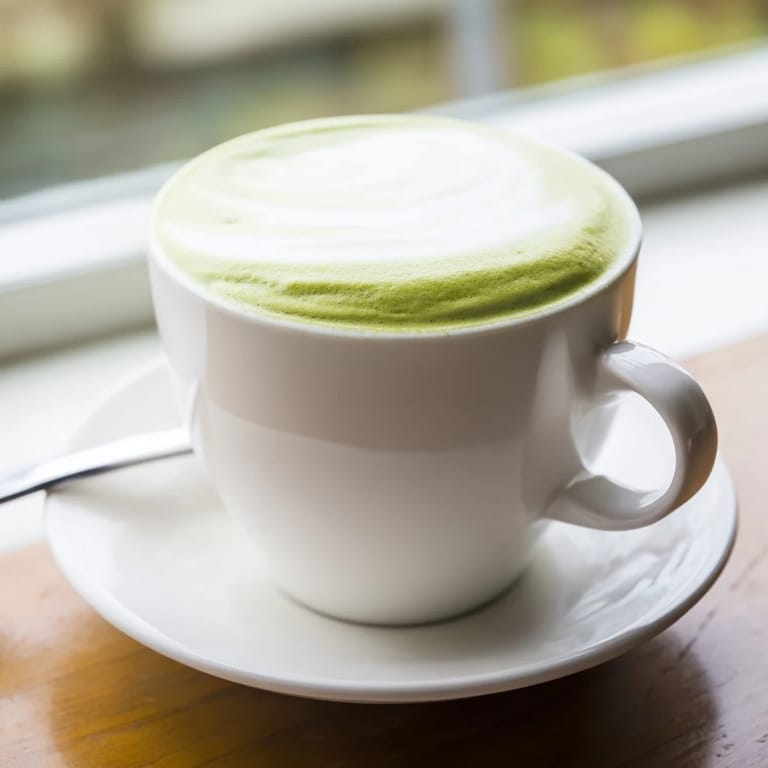
Save There was this stretch of deadlines where I made this every single morning, and my roommate started requesting her own mug. Something about watching the green swirl into the white milk became the minute we both looked forward to, standing in our kitchen socks while the house woke up around us. Some mornings I make it iced instead, pouring everything over a glass filled to the brim with ice cubes.
Getting That Café Foam
The bamboo whisk called a chasen really does make a difference, creating tiny bubbles that last until the final sip. I tried a regular kitchen whisk for months and could never quite get that microfoam texture, but one proper bamboo whisk later and my home lattes finally looked like the ones from coffee shops. Rinse it gently with warm water right after using, never with soap, and let it air dry completely.
Temperature Matters
Matcha turns bitter and astringent when it meets boiling water, which is why temperature control is worth the extra attention. I let my boiled water sit for about three minutes before using it, or I keep a separate kettle set to 175°F specifically for matcha. The milk should be hot enough to warm your hands around the mug but not so hot that you cannot take a sip immediately.
Making It Your Own
Vanilla extract adds a cozy sweetness, while a pinch of sea salt brings out the matchas natural complexity. I have even tried adding a drop of almond extract when I want something that tastes like a pastry in liquid form. The ratios are completely flexible once you understand how much matcha intensity you prefer.
- Try a dash of cinnamon on top during colder months
- Blend it with frozen banana for an instant matcha smoothie
- Keep a small jar of matcha at work for emergency afternoon pick-me-ups
 Save
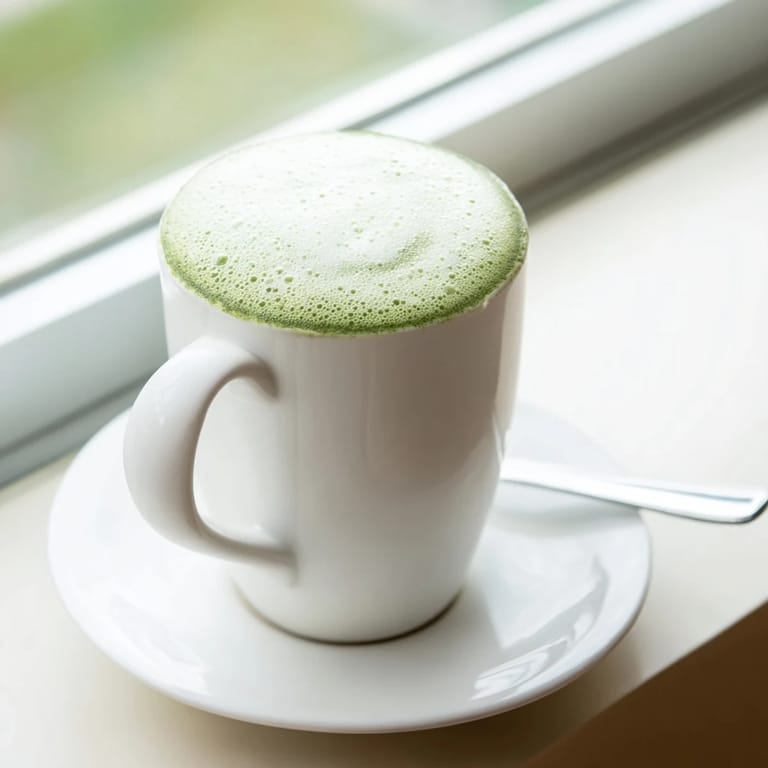
Save Hope this brings a little quiet ritual to your mornings too.
Recipe Q&A
- → What type of milk works best for matcha lattes?
Any milk works well, including dairy, almond, oat, or soy milk. Oat milk provides extra creaminess, while almond milk offers a lighter texture. Choose based on your dietary preferences and desired consistency.
- → How do I prevent lumps in my matcha?
Always sift the matcha powder through a fine mesh sieve before whisking. This breaks up any clumps and ensures a smooth, lump-free beverage when mixed with water.
- → Can I make this drink iced instead of hot?
Yes, prepare the matcha mixture as directed, then pour over ice and add cold milk instead of steamed milk. The result is equally delicious and refreshing.
- → Why shouldn't I use boiling water with matcha?
Boiling water can scorch the delicate matcha powder, resulting in a bitter taste. Water around 80°C or 175°F preserves the smooth, slightly sweet flavor of quality matcha.
- → How much matcha should I use for a stronger flavor?
Start with 2 teaspoons per serving and increase to 3 teaspoons for a more robust, concentrated matcha taste. Adjust according to your personal preference for intensity.
- → Do I need a special whisk for matcha?
A traditional bamboo whisk works best for creating froth, but a small regular whisk or even a milk frother can effectively dissolve the powder and create a smooth consistency.