 Save
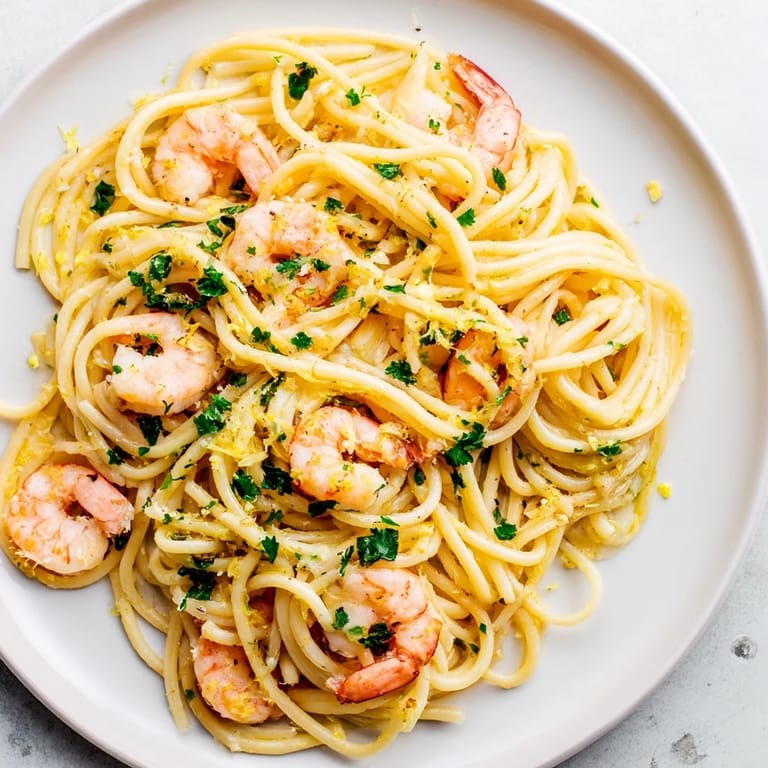
Save My neighbor knocked on my door one Wednesday holding a bag of shrimp from the fish market and asked if I knew what to do with them. I threw together this pasta in less time than it took her to finish her coffee, and she stood at my counter wide-eyed as the garlic hit the butter. That evening she texted me three times asking for the recipe, and I realized I'd been making it so casually I'd never written it down. Now it's my go-to when I want something that tastes special but doesn't ask much of me.
I made this for my brother's birthday last spring, and he ate two full plates before anyone else finished their first. He kept saying he couldn't believe something this good came from my kitchen, which was both a compliment and an insult I chose to ignore. The lemon wedges on the side became a battleground because everyone wanted extra, and I learned that night to always have more citrus on hand than I think I'll need. It's the kind of dish that makes people lean back in their chairs and sigh happily, and that's worth every minute of prep.
Ingredients
- Large shrimp, peeled and deveined: Look for shrimp that smell like the ocean, not fishy or sour, and pat them completely dry or they'll steam instead of sear.
- Spaghetti: Any long pasta works here, but spaghetti holds the buttery sauce perfectly without clumping, and cooking it just to al dente means it finishes beautifully in the skillet.
- Unsalted butter: Using unsalted lets you control the seasoning, and the richness it adds to the sauce is something olive oil alone can't replicate.
- Extra-virgin olive oil: This keeps the butter from burning when you sear the shrimp and adds a fruity backbone to the sauce.
- Garlic cloves, minced: Fresh garlic is non-negotiable here, it blooms in the butter and becomes sweet and fragrant, not sharp.
- Lemon zest and juice: The zest gives you aromatic oils that brighten everything, while the juice adds the acidic punch that cuts through the butter.
- Dry white wine: This is optional, but it adds depth and a slight tang that makes the sauce feel more complex.
- Crushed red pepper flakes: Just a pinch adds warmth without heat, but you can skip it if you're serving kids.
- Salt and black pepper: Season in layers, taste as you go, and remember the pasta water adds salt too.
- Fresh parsley: This isn't just for looks, it adds a fresh herbal note that balances the richness.
- Parmesan cheese: Optional, but a light grating adds a nutty, salty finish that makes everything taste more luxurious.
- Lemon wedges: Always serve these on the side so everyone can add as much brightness as they want.
Tired of Takeout? 🥡
Get 10 meals you can make faster than delivery arrives. Seriously.
One email. No spam. Unsubscribe anytime.
Instructions
- Boil the pasta:
- Bring a large pot of salted water to a rolling boil and cook the spaghetti until it's just al dente, with a slight bite in the center. Before draining, scoop out half a cup of that starchy pasta water, it's the secret to a silky sauce later.
- Prep the shrimp:
- While the pasta cooks, pat the shrimp completely dry with paper towels and season them lightly with salt and pepper. Wet shrimp won't sear properly, they'll just steam and turn rubbery.
- Sear the shrimp:
- Heat a large skillet over medium-high with a tablespoon each of olive oil and butter, then lay the shrimp in a single layer without crowding. Cook them for one to two minutes per side until they're just pink and opaque, then pull them out onto a plate.
- Build the garlic base:
- Lower the heat to medium and add the remaining oil and butter to the same skillet, letting all those shrimp bits flavor the fat. Stir in the minced garlic and cook it for about a minute until it smells incredible but hasn't browned.
- Add the citrus and wine:
- Toss in the lemon zest, lemon juice, white wine if you're using it, and red pepper flakes, then let everything simmer for two to three minutes. The sauce will reduce slightly and the alcohol will cook off, leaving behind a bright, tangy base.
- Return the shrimp:
- Add the cooked shrimp back into the skillet along with any juices that pooled on the plate. Toss them gently in the sauce so they're coated and warmed through.
- Toss with pasta:
- Add the drained spaghetti directly into the skillet and toss everything together with tongs, adding splashes of reserved pasta water until the sauce clings to every strand. The starch in that water helps emulsify the butter and oil into a glossy coating.
- Season and finish:
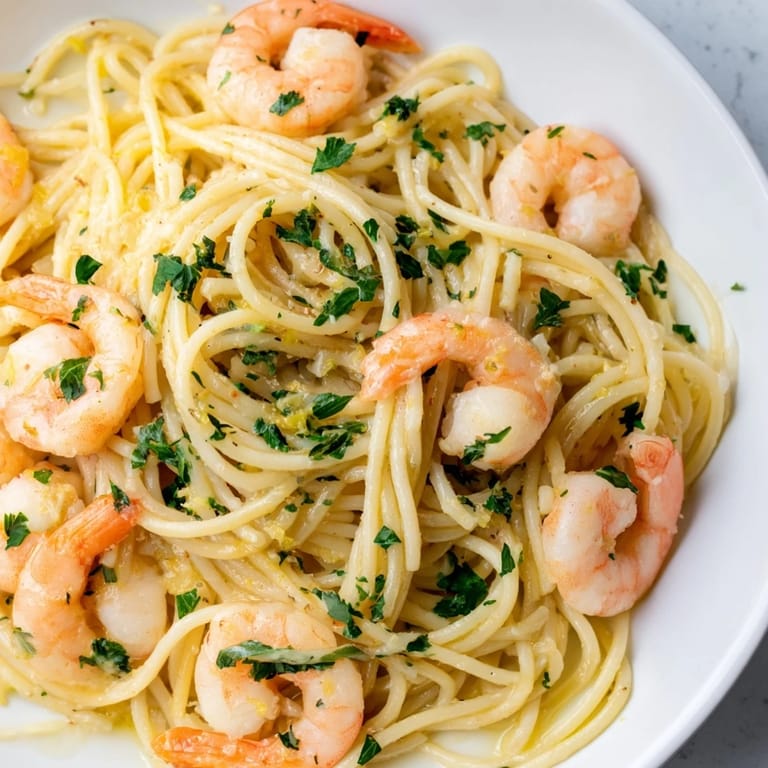
- Taste the pasta and adjust with more salt and black pepper as needed, then pull the skillet off the heat. Sprinkle with chopped parsley and a handful of grated Parmesan if you like, and serve it immediately with lemon wedges on the side.
 Save
Save I served this to a friend who swore she didn't like seafood, and she finished her entire plate without saying a word. When she finally looked up, she admitted the lemon and garlic made her forget she was eating shrimp at all. That night I realized this recipe doesn't just feed people, it changes minds, and I've been using it as my secret weapon ever since. It's become the dish I make when I want someone to feel cared for without making a big deal about it.
Choosing Your Shrimp
I used to grab whatever shrimp was on sale, but I noticed the texture and flavor varied wildly depending on what I bought. Fresh or frozen both work beautifully as long as they're wild-caught and not sitting in a pool of water at the store. If you're using frozen, thaw them in the fridge overnight or run them under cold water for a few minutes, and make sure they're completely dry before they hit the pan. Larger shrimp are easier to work with and look more impressive, but smaller ones cook faster and are just as delicious if you're in a rush.
Making It Your Own
This recipe is forgiving and loves improvisation, so don't be afraid to throw in what you have. I've added handfuls of baby spinach right at the end and watched it wilt into the pasta, turning everything a little greener and adding a mild earthy flavor. Cherry tomatoes are another favorite, I halve them and toss them in with the garlic so they blister and burst, adding pops of sweetness. If you want it creamier, stir in a few tablespoons of heavy cream or cream cheese after you add the shrimp, and if you want more heat, double the red pepper flakes or add a few slices of fresh chili.
Storing and Reheating
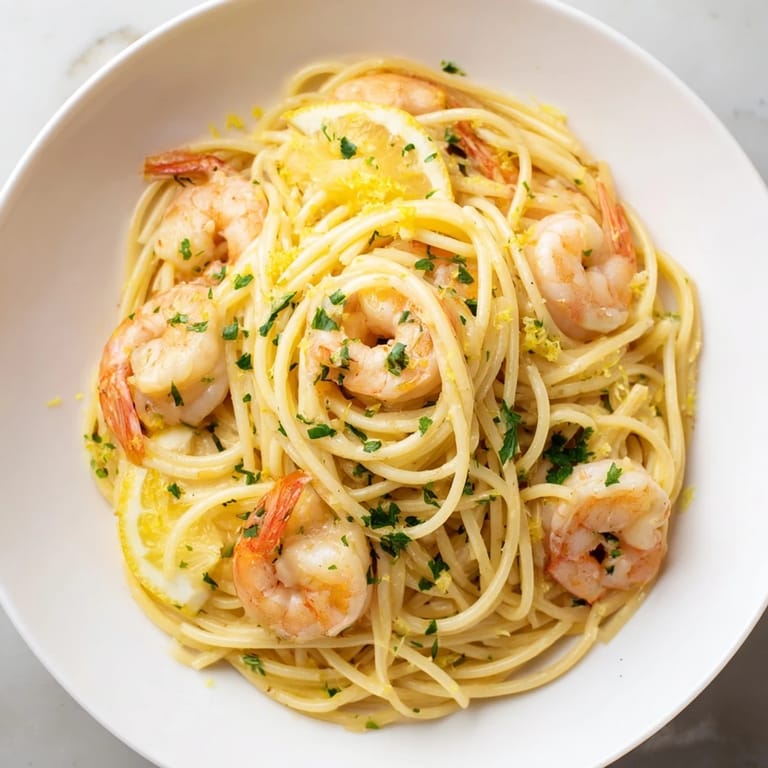
This pasta is best eaten right away when the sauce is glossy and the shrimp are tender, but leftovers can be stored in an airtight container in the fridge for up to two days. Reheat gently in a skillet over low heat with a splash of water or broth to loosen the sauce, because the microwave will turn the shrimp rubbery. The lemon flavor fades a bit after sitting, so I always squeeze a little fresh lemon juice over the reheated pasta to bring it back to life.
- Add a drizzle of olive oil when reheating to refresh the texture and prevent sticking.
- If the shrimp seem overcooked, pull them out before reheating the pasta and toss them back in at the very end.
- This doesn't freeze well because shrimp get mushy, so only make what you'll eat within a couple of days.
 Save
Save This pasta has pulled me out of more dinner ruts than I can count, and it never feels like I'm repeating myself. Every time I make it, someone asks for the recipe, and I love that it's simple enough to share but impressive enough to make people feel special.
Recipe Q&A
- → How do you prevent shrimp from becoming rubbery?
Cook shrimp quickly over medium-high heat for just 1-2 minutes per side until the flesh turns opaque and pink. Overcooking toughens the meat, so remove shrimp as soon as they're cooked through. Let them finish cooking slightly in the warm sauce if needed.
- → Can you substitute the white wine in this dish?
Yes, white wine is optional. Use chicken or vegetable broth for a similar depth of flavor, or omit it entirely and increase the lemon juice slightly. The wine adds complexity but isn't essential for a delicious outcome.
- → What pasta water does for the sauce?
Pasta water contains starch that emulsifies the butter and oil, creating a silky, cohesive sauce that clings beautifully to the noodles. Add it gradually while tossing until you reach your desired consistency—it's more effective than cream for this style of sauce.
- → How do you make this dish dairy-free?
Replace the butter with extra-virgin olive oil in equal amounts, and omit the Parmesan cheese entirely. The lemon garlic olive oil sauce is naturally rich and flavorful on its own, making it a satisfying dairy-free option.
- → What wine pairs best with lemon garlic shrimp pasta?
A crisp Sauvignon Blanc or Pinot Grigio complements the bright citrus and delicate shrimp beautifully. Both wines have acidity that echoes the lemon sauce and won't overpower the subtle seafood flavors.
- → Can you make this ahead of time?
Cook the shrimp and prepare the sauce components ahead, but assemble the dish just before serving. Tossing hot pasta with the sauce ensures the best texture. Cold leftover pasta can be reheated gently with a splash of lemon juice or broth.