 Save
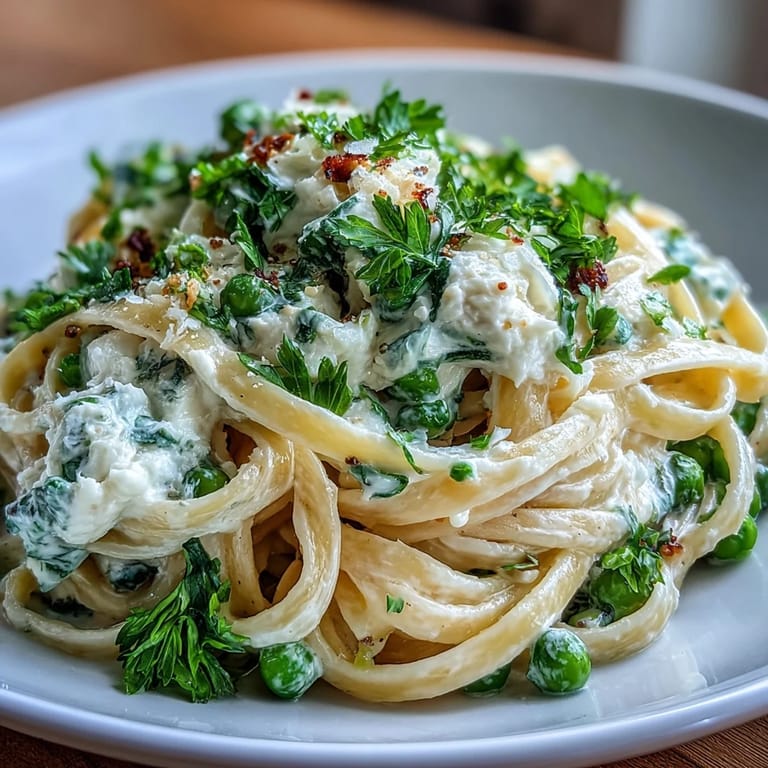
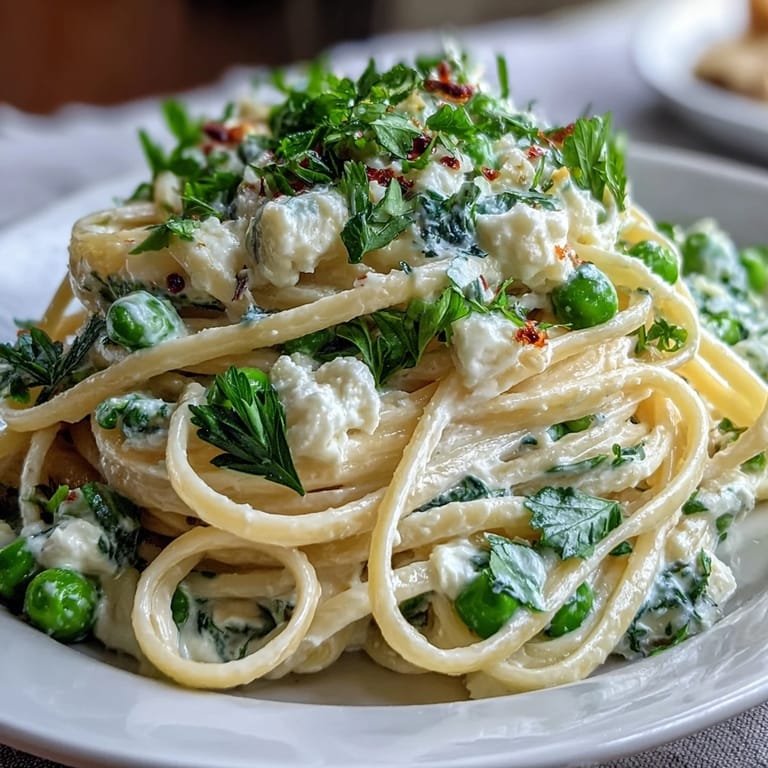
Save The first signs of spring always spark a craving for something fresh and green, and this ricotta lemon linguine fits the bill perfectly. Last April, I stumbled across a basket of unwaxed lemons at the market—their scent absolutely popped the moment I cut into one. The idea was simple: creamy ricotta, sweet peas, and a shower of fragrant lemon zest all tangled up with warm, silky linguine. Preparing it felt almost like opening a window after a long winter, letting brightness back in. This meal came together quickly with a little chatter at the stove, and every bite tasted like a celebration of the season.
I once made this for my friend Ada after an exhausting week, and we ended up eating it right out of mismatched bowls, laughing over how quickly we forgot our troubles. The peas were extra sweet that day, and the kitchen smelled incredible—like garlic and fresh zest wafting through the open window. It’s the sort of dish that invites conversation: parsley sprinkled by hand, generous grating of Parmesan, a squeeze more lemon for the brave. By the time dinner was served, Ada was already asking for the recipe. It felt like a small, accidental party.
Ingredients
- Linguine: Choose a high-quality dried linguine—I've learned that pasta with rougher edges really holds onto the sauce.
- Fresh or frozen peas: Spring peas make this extra special, but frozen peas work beautifully too if you’re pressed for time.
- Garlic: Use fresh cloves that are finely minced for a gentle bite and aromatic foundation.
- Lemon zest and juice: Unwaxed lemons are ideal for zest; I zest them over the bowl to capture every fragrant bit.
- Fresh parsley: Chopped just before sprinkling, this gives each bite a pop of color and herby brightness.
- Ricotta cheese: Creamy, mild ricotta forms the backbone of the sauce—give it a good stir for smoothness.
- Parmesan cheese: Grated Parm adds both depth and a savory finish; it’s best when freshly grated.
- Extra-virgin olive oil: I always pick a fruity oil for sautéing garlic and peas, which enhances their flavors.
- Salt: Don’t skimp—season your pasta water generously for flavor all the way through.
- Black pepper: Freshly ground gives the sauce a gentle, spicy lift you’ll notice in the first forkful.
Tired of Takeout? 🥡
Get 10 meals you can make faster than delivery arrives. Seriously.
One email. No spam. Unsubscribe anytime.
Instructions
- Boil and cook the pasta:
- Fill your largest pot with water, salt it well, and cook linguine until just shy of tender—you can almost feel the warmth rising as you stir. Reserve a little cooking water before draining; it’s liquid gold for the sauce.
- Sauté garlic and peas:
- In a roomy skillet, the olive oil sizzles and garlic perfumes the air—keep it light, don’t let it brown. Peas go in next, turning wonderfully green and tender in just a few minutes as you stir and listen to them pop.
- Mix the ricotta sauce:
- In a big bowl, whisk together ricotta, lemon zest, juice, Parmesan, salt, and pepper until creamy and fragrant—watch the ricotta relax as it comes together.
- Combine pasta, peas, and sauce:
- Tip the drained linguine and sautéed peas (oil and all) into the bowl, tossing gently—every strand should be coated, with reserved water added little by little for silkiness.
- Finish and serve:
- Scatter chopped parsley over the top, adjust seasoning if needed, and serve immediately with extra Parmesan or zest if you like—there’s nothing better than eating it straight from the pot.
 Save
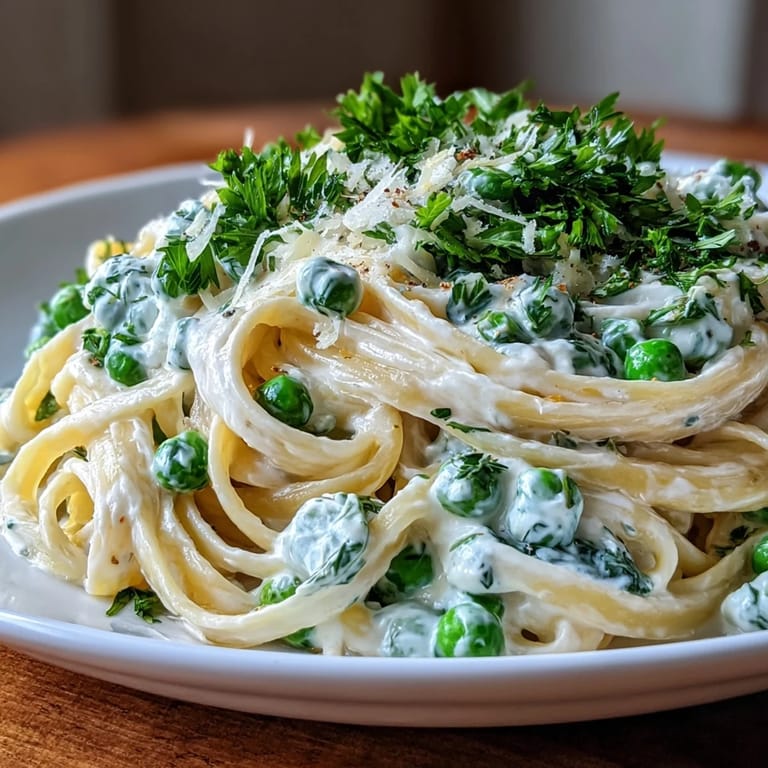
Save There was a rainy afternoon last spring where I served this linguine as the centerpiece for an impromptu lunch, and midway through we realized no one cared about the weather outside. The bowl emptied faster than expected, and even the shyest guest agreed the lemon scent lingered long after. That day, the dish created new friendships and a fresh start to the season. Its real magic is how it brings a room together. I can’t count how many times it’s turned a quiet meal into something joyful.
Making It Your Own
I’ve found that swapping ricotta for mascarpone makes the sauce richer and silkier, nearly decadent. Whole-wheat linguine adds a nutty flavor and extra bite—even hearty enough to stand up to vegetables like spinach or arugula tossed in. Tossing in a handful of baby greens when the peas cook boosts color and springy freshness. Try switching up herbs too: a little mint or basil transforms the dish entirely. Each time I tweak the recipe, the kitchen feels newly inspired.
Perfect Pairings and Serving Ideas
This pasta sings alongside a crisp white wine—Sauvignon Blanc or Pinot Grigio—especially when shared outdoors on a sunny day. A shower of extra Parmesan and a wedge of lemon at the table adds a little ceremony. If I’m feeling extra fancy, a salad with shaved fennel and radish makes the meal complete. You can also serve the pasta cold for lunch next day—just loosen with a splash of olive oil. It’s meant for relaxed gatherings, never fussy.
Kitchen Tricks for Spring Pasta Success
Pasta water is your best friend—adding just enough lets the sauce hug every noodle without getting heavy. Using fresh peas when you can gives a pop of sweetness that frozen ones can’t quite replicate. If you zest the lemon over the bowl, the essential oils land right where they belong, intensifying the aroma. I always taste and adjust the sauce before serving, because lemons change with the seasons. Nothing beats the feeling of swirling up creamy pasta, the smell of lemon and herbs floating nearby.
- Keep extra ricotta on hand in case the sauce needs a boost.
- If the pasta starts sticking, a quick splash of water loosens it instantly.
- Remember to garnish generously—spring deserves brightness.
 Save
Save Letting fresh spring ingredients shine makes this pasta a joyful ritual each year. Don’t be surprised if everyone asks for seconds before you even sit down.
Recipe Q&A
- → How do you achieve a creamy sauce without heavy cream?
The ricotta cheese, combined with reserved pasta water, creates a smooth, creamy sauce that coats the linguine beautifully.
- → Can frozen peas be used?
Yes, frozen peas work well. Simply cook them a bit longer in the skillet until they become bright green and tender.
- → What additions can enhance freshness?
Try baby spinach or arugula for extra color and flavor, tossed in with the peas during cooking.
- → What pasta alternatives work for this dish?
Whole-wheat linguine offers more fiber, or swap for gluten-free pasta if needed. Mascarpone also replaces ricotta for a richer sauce.
- → Which wines pair well with this meal?
Sauvignon Blanc or Pinot Grigio complement the bright flavors of lemon and ricotta in this spring pasta.