 Save
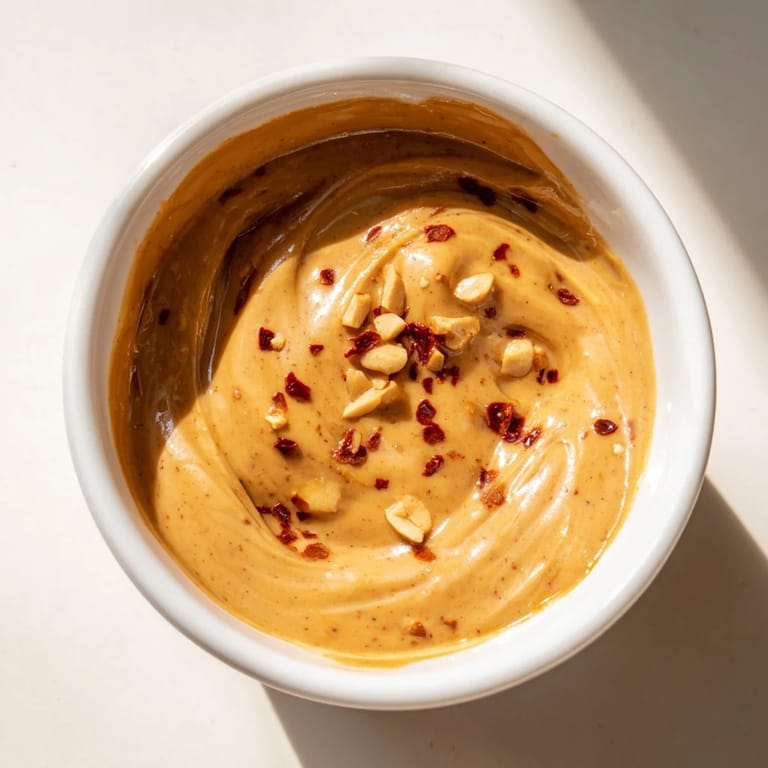
Save The first time I made satay sauce was at a dinner party when someone brought home a bag of wooden skewers and asked if I could whip up something to go with them. I'd never made it before, but I remembered the sauce from a street vendor in Jakarta years ago—that perfect balance of creamy and spicy that coated your palate and made you want another bite. Twenty minutes later, I had something that tasted like I'd studied under that vendor myself, and honestly, my guests couldn't stop talking about it.
I made this sauce for my partner's birthday dinner, and watching them close their eyes after the first taste of grilled chicken—that moment when you know you've nailed something—that's what keeps me coming back to this recipe. It's become our go-to for impromptu gatherings, the one thing people ask me to bring.
Ingredients
- Creamy peanut butter: Use unsweetened and unsalted if you can; it gives you control over the flavor and prevents the sauce from becoming cloying. I learned this the hard way with a sweetened brand that threw off my balance of spice and tang.
- Full-fat coconut milk: This is non-negotiable for richness and that silky mouthfeel that makes the sauce feel luxurious rather than thin and one-dimensional.
- Fresh lime juice: Never bottled; the brightness of fresh lime is what lifts the entire sauce and cuts through the richness beautifully.
- Brown sugar or palm sugar: Just a touch to round out the spices and balance the heat without making it dessert-like.
- Soy sauce: This adds savory depth; tamari works if you need gluten-free.
- Ground coriander and cumin: These are the quiet backbone of the sauce, bringing warmth and earthiness that most people can't quite name but absolutely taste.
- Minced garlic: One clove is enough; more would overpower the delicate spice balance.
- Chili flakes: Start small and taste as you go; heat builds and lingers.
- Fish sauce (optional): A teaspoon adds umami that makes people swear the sauce is more complex than it actually is.
Tired of Takeout? 🥡
Get 10 meals you can make faster than delivery arrives. Seriously.
One email. No spam. Unsubscribe anytime.
Instructions
- Combine your base:
- Whisk the peanut butter and coconut milk together over medium heat until you have something smooth and cohesive. Don't rush this; take a minute to really work it together so there are no peanut butter pockets hiding at the bottom.
- Build the layers of flavor:
- Add the soy sauce, lime juice, sugar, garlic, and spices all at once, stirring well. You'll notice the color deepen and the aroma shift from simple peanut butter to something distinctly Indonesian.
- Let it simmer gently:
- Keep the heat at medium and stir frequently for 3 to 5 minutes; you want the sauce to thicken slightly and turn glossy, which means the flavors are marrying. Listen for the occasional small bubble breaking the surface—that's your signal it's working.
- Taste and tune:
- This is where your palate takes over. Add more lime if it needs brightness, a touch more sugar if the heat is too aggressive, or more chili flakes if you want to turn up the warmth. Take your time here.
- Adjust consistency:
- If the sauce feels too thick to pour or dip, add water one tablespoon at a time and whisk until you're happy with how it moves. It should coat a spoon but still flow easily.
- Finish and cool:
- Remove from heat, stir in fish sauce if you're using it, and let it sit for a few minutes so it stops steaming and the flavors settle. Serve warm or at room temperature.
 Save
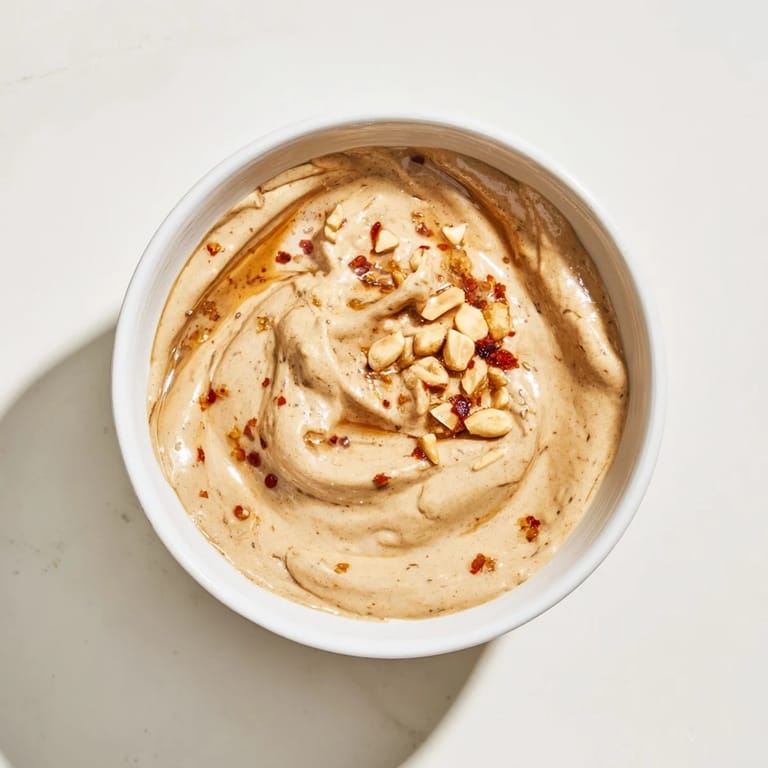
Save There's something almost meditative about making this sauce—the way the kitchen fills with the aroma of toasted spices and coconut, the sound of the whisk pulling the ingredients into harmony. I've learned that food like this, made with intention for the people you're feeding, carries that care right through to the eating.
Storage and Keeping
This sauce keeps beautifully in the refrigerator for up to five days in an airtight container. When you're ready to use it again, gently warm it in a saucepan over low heat, stirring as it comes back to life; if it's tightened up, a splash of water or coconut milk will bring it back to the right consistency. I actually think it tastes better on day two or three, once all the flavors have had time to deepen and settle into each other.
Playing with the Sauce
The beauty of satay sauce is how flexible it is once you understand the base. I've stirred in crushed roasted peanuts for a chunky version that clings to skewers better, added a little extra garlic when I was feeling bold, and even thinned it with a bit of warm broth to use as a salad dressing. The fish sauce version is deeper and more savory—vegetarian is brighter and lets the spices shine. Let your instincts guide you.
What to Serve It With
While this sauce is legendary with chicken satay, I've found it transforms almost anything you've grilled or roasted. Beef skewers become more interesting, grilled tofu takes on an unexpected richness, and even charred vegetables get elevated into something that feels intentional and restaurant-worthy. It's also wonderful as a base for noodle dishes or stirred into rice for an easy fried rice situation.
- Drizzle it warm over freshly grilled skewers so it soaks in slightly and pools at the edges.
- Serve it at room temperature as a dipping sauce for cooked items that have cooled a bit.
- Make it thinner and use it as a dressing for composed salads with grilled protein and fresh vegetables.
 Save
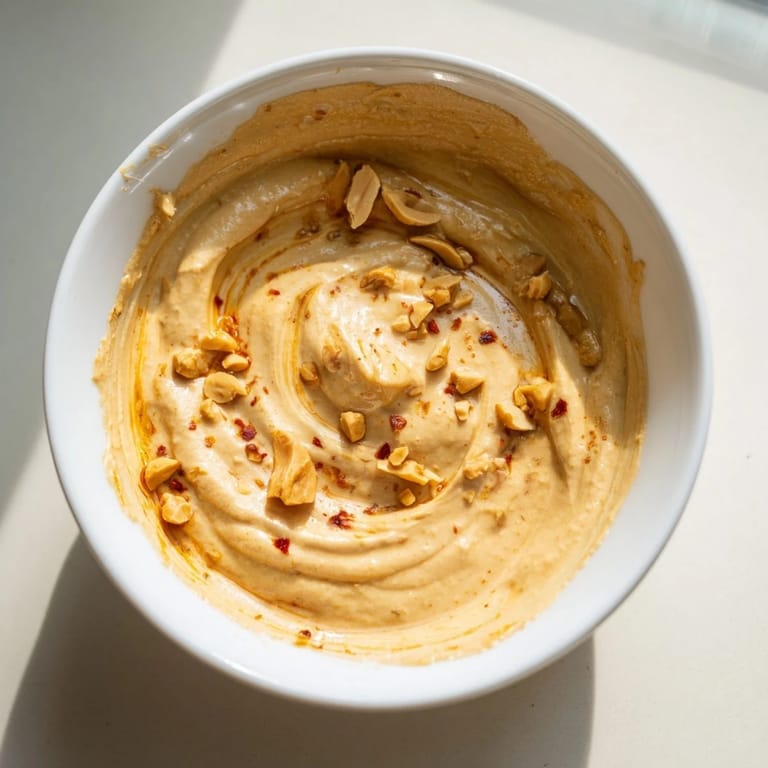
Save This sauce has quietly become the thing I'm known for bringing to gatherings, and I've stopped apologizing for making it so often. It's simple, honest food that tastes like you spent way more time on it than you actually did.
Recipe Q&A
- → What ingredients give Indonesian satay sauce its distinctive flavor?
The sauce is characterized by creamy peanut butter, full-fat coconut milk, fresh lime juice, garlic, and spices such as coriander, cumin, and chili flakes, creating a balance of nutty, tangy, and mildly spicy notes.
- → Can the sauce be adjusted for different spice levels?
Yes, you can vary the chili flakes to control the heat, adding more for spiciness or reducing them for a milder variant.
- → Is it possible to make this sauce gluten-free?
Absolutely. Using gluten-free soy sauce alternatives like tamari or coconut aminos ensures the sauce remains gluten-free.
- → How should the sauce be stored and served later?
Store the sauce refrigerated in an airtight container for up to five days. Rewarm gently on the stove or microwave before serving to restore its creamy texture.
- → What are some ways to vary the sauce’s texture?
For added texture, stirring in crushed roasted peanuts just before serving provides a pleasant crunch that complements the creamy base.