 Save
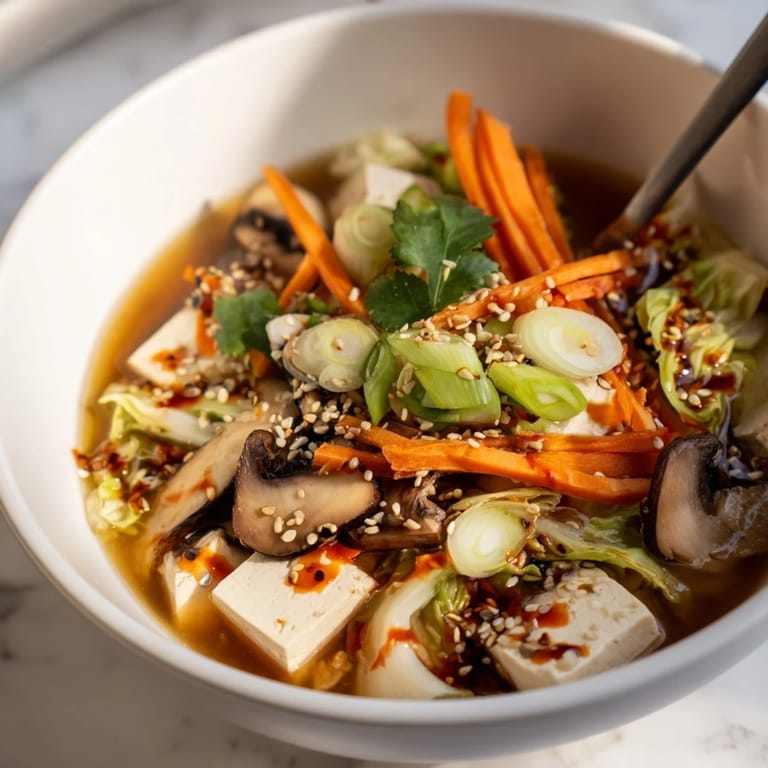
Save The first time I made this soup was during a particularly brutal February when my heating decided to quit. I'd been shivering in three sweaters, rummaging through my fridge for something that would actually warm me from the inside out. The ginger was so fresh it practically burned my fingertips when I sliced it, and that first spoonful was like someone had wrapped a warm blanket around my soul. Now it's my go-to whenever winter feels like it's lasting forever.
Last winter, my friend Sarah came over after a terrible week at work, looking like she hadn't slept in days. I set a steaming bowl of this in front of her without saying much, and watched her shoulders actually drop three inches as she took that first sip. She texted me the next morning asking for the recipe, saying it was the first time she'd felt truly relaxed in a week. There's something about miso and ginger together that just feels like a hug in liquid form.
Ingredients
- Water or vegetable broth: Low-sodium broth gives you a head start on flavor, but honestly plain water works beautifully here since the ginger and miso do all the heavy lifting
- Fresh ginger: Don't even think about using powdered ginger here, you need those thin slices of fresh ginger to release their oils slowly into the broth
- Garlic cloves: Slice them paper-thin so they mellow out in the broth instead of staying sharp and aggressive
- White or yellow miso paste: White miso is gentler and sweeter, yellow miso has more depth, either one will transform plain water into something extraordinary
- Napa cabbage: It adds this lovely sweetness and silkiness that regular cabbage just doesn't have in soups
- Carrot: Julienned or thinly sliced, they bring natural sweetness and pretty orange ribbons to the bowl
- Shiitake mushrooms: Their meaty, umami-rich texture makes this soup feel substantial even without meat
- Scallions: Fresh pop of onion flavor and bright green color against the pale broth
- Toasted sesame seeds: They add this nutty crunch that makes every spoonful interesting
- Fresh herbs: Cilantro or parsley brings a fresh, bright finish that cuts through the rich broth
- Chili oil or flakes: Just a whisper of heat to wake up your palate without overwhelming the gentle flavors
- Silken tofu: Optional, but it soaks up that miso flavor and turns this into a proper meal
- Soba or rice noodles: If you want something more filling, noodles make this soup feel like a complete dinner
Tired of Takeout? 🥡
Get 10 meals you can make faster than delivery arrives. Seriously.
One email. No spam. Unsubscribe anytime.
Instructions
- Build your aromatic base:
- Bring your liquid to a gentle bubble, then drop in those ginger and garlic slices. Let them dance around in there for about 10 minutes until your kitchen starts smelling incredible and the broth has taken on their essence.
- Add the vegetables:
- Toss in your cabbage, carrot ribbons, and shiitake slices. Let them simmer for 5-7 minutes until they're tender but still have some bite, nobody likes mushy soup vegetables.
- Temper the miso like a pro:
- Turn off the heat completely. Fish out a small bowl, scoop some hot broth into it, and whisk your miso until it's perfectly smooth before pouring it back in. This little extra step prevents clumps and keeps those beneficial probiotics alive.
 Save
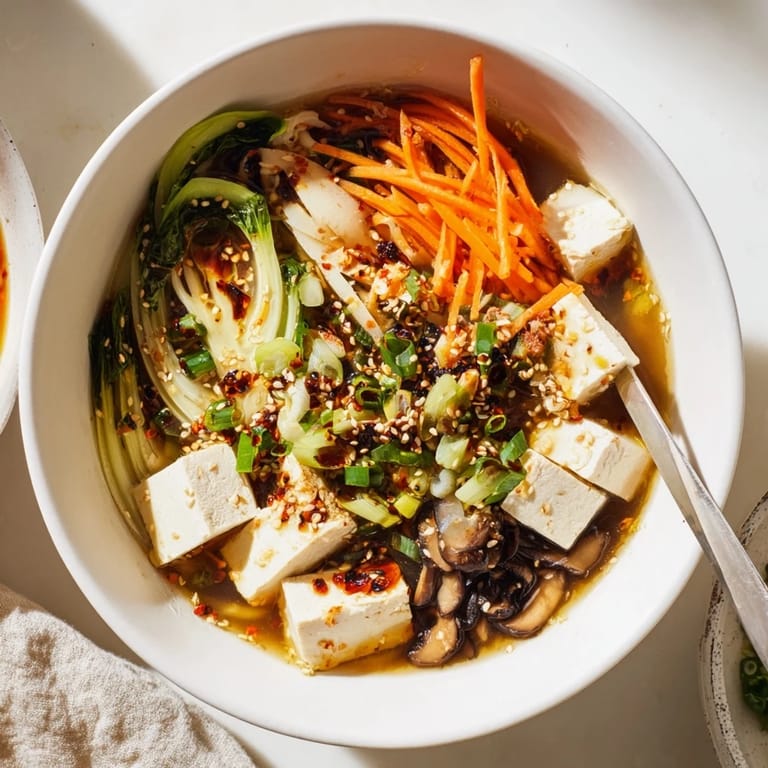
Save My grandmother would probably laugh at how quickly I make this compared to her all-day soup rituals, but honestly, sometimes the fastest comfort is the best kind. This soup has become my Sunday evening reset, the thing I make when I need to feel like everything's going to be okay for the week ahead.
Making It Your Own
I've played around with this base so many times, and that's the beauty of it. Sometimes I add bok choy when I find it at the market, other times I throw in spinach at the very end just until it wilts. Daikon radish adds this lovely peppery bite that plays really nicely against the sweet miso, and once I even added some cubed sweet potato which made it feel almost decadent.
Serving Suggestions
This soup is surprisingly perfect alongside a crisp white wine, something dry that won't compete with the ginger. I've also served it with green tea when I'm feeling particularly virtuous, and the combination is unexpectedly lovely. If you want to make it a full meal, a simple side of steamed rice or even just some good crusty bread rounds everything out beautifully.
Make-Ahead Wisdom
The broth actually gets better overnight, so I often make a double batch and keep the miso-infused base in the fridge. When you're ready to eat, just reheat gently and add fresh vegetables. Never freeze soup with miso already in it, the texture and flavor both suffer. Freeze the plain broth instead and whisk in fresh miso when you reheat.
- Keep your miso paste in the refrigerator, it'll last for months
- If your soup tastes flat, a splash of soy sauce or a pinch of salt will usually fix it
- Leftovers are perfect for lunch the next day, the flavors have even more time to meld
 Save
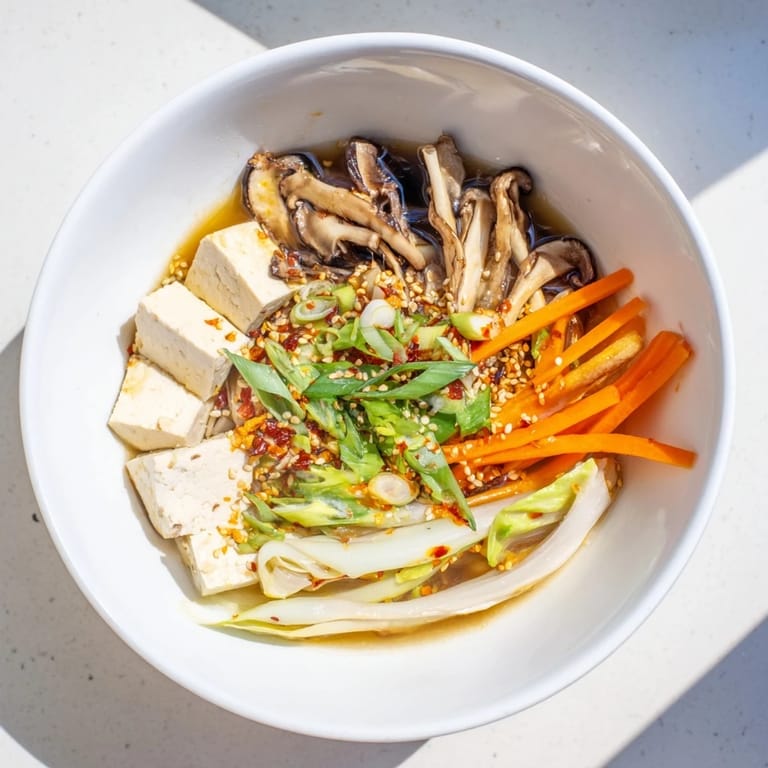
Save There's something so restorative about a bowl of broth that actually tastes like it cares about you. This soup has seen me through sick days, heartbreak, and just regular old Tuesdays when I needed a little extra warmth.
Recipe Q&A
- → Can I use red miso instead of white?
Red miso has a stronger, more intense flavor that will overpower this delicate broth. White or yellow miso provides the ideal balance of savory sweetness. If you only have red miso, use half the amount to maintain harmony.
- → Why shouldn't I boil the soup after adding miso?
High heat destroys the beneficial enzymes and probiotics in fermented miso paste. Removing the pot from heat before whisking in the miso preserves these gut-friendly properties while still allowing the flavors to meld beautifully.
- → Can I make this soup ahead of time?
The vegetable broth base can be prepared up to 2 days in advance and refrigerated. Add the miso just before serving, and reheat gently without boiling. The vegetables will soften over time, so add fresh ones when reheating if you prefer more texture.
- → What's the best way to slice ginger for this soup?
Thinly slice the ginger against the grain into rounds or coins. This releases more flavor into the broth and makes it easier to fish out the slices before serving if you prefer a cleaner presentation. Leave the skin on for maximum aromatic benefits.
- → Is this soup suitable for meal prep?
This soup reheats beautifully for lunches throughout the week. Store in airtight containers for up to 4 days, but keep garnishes separate. The flavors actually deepen after a day in the refrigerator, making it an excellent make-ahead option.