 Save
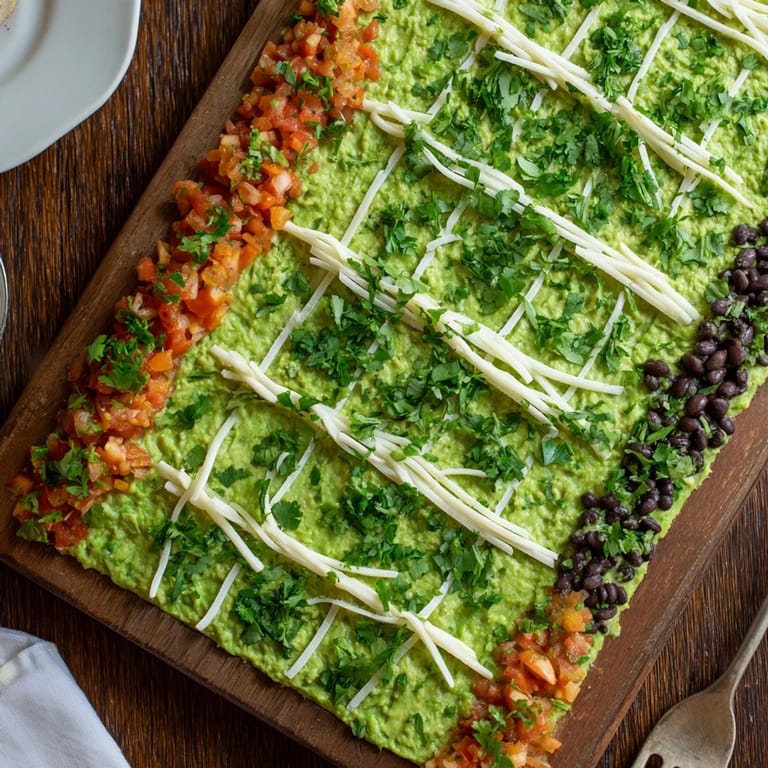
Save I'll never forget the first time I attempted a football field snack board—it was during a particularly intense playoff game when my living room had transformed into the unofficial neighborhood gathering spot. My friend Sarah had challenged me to make something "actually Instagram-worthy" instead of just dumping chips into a bowl. That's when it clicked: why not turn the entire board into the game itself? With guacamole as the turf and string cheese marking the yard lines, I created something that made people pause mid-conversation just to appreciate it. Watching guests play with their food arrangement, finding the hidden olive "footballs," and debating which dip represented which team became just as entertaining as the game itself.
The memory that really cements this as a game day essential happened when my nephew, who was going through a "I don't like vegetables" phase, spent twenty minutes arranging cherry tomatoes into a touchdown formation and then actually ate them without complaint. His mother looked at me with grateful disbelief. That's when I realized this wasn't just about feeding people—it was about making eating together feel like an event worth showing up for.
Ingredients
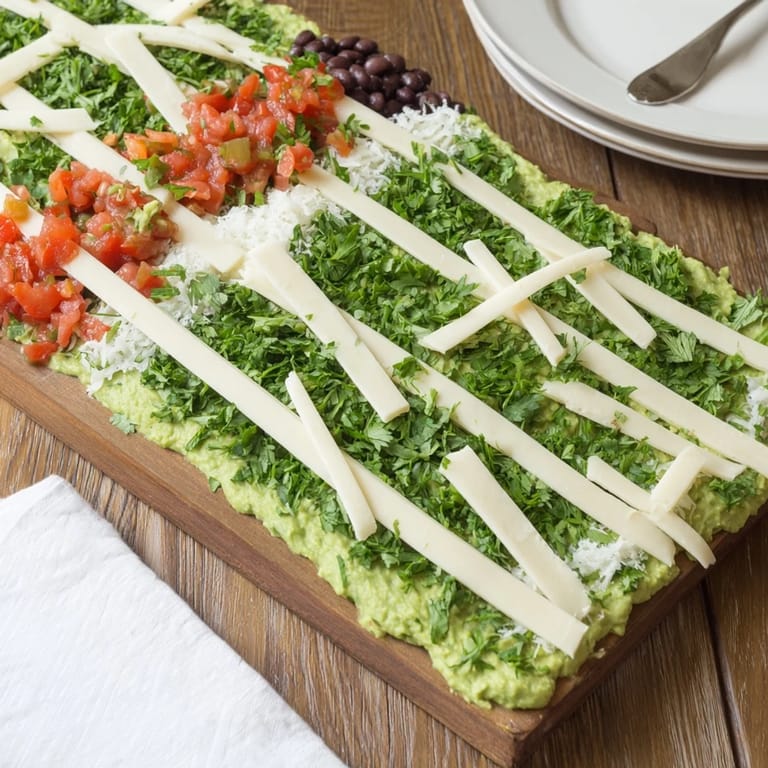
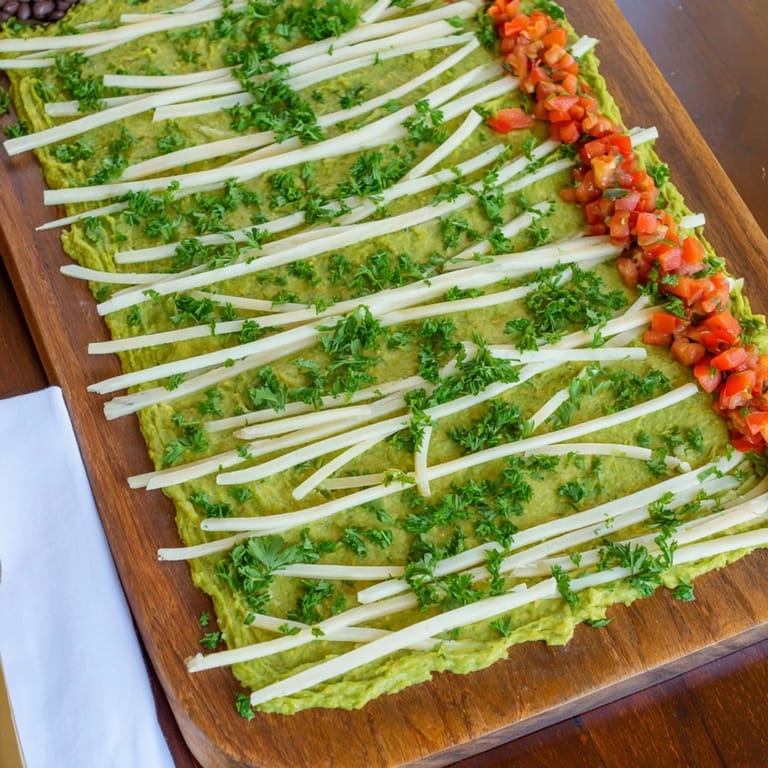
- Guacamole: This is your playing field, the foundation everything else lives on. I learned the hard way that fresh is non-negotiable here—make it the day of if you can, or keep plastic wrap pressed directly on the surface to prevent browning. If guacamole feels too heavy for your crowd, spinach hummus creates an equally vibrant and slightly lighter field, though you lose some of that creamy luxury.
- Fresh parsley or cilantro: Don't skip this garnish thinking it's optional. Those green flecks scattered across the guac aren't just pretty—they add a fresh, herbaceous dimension that makes the whole board taste intentional rather than assembled.
- Mozzarella string cheese or white cheddar strips: These are your yard lines, your grid system that transforms chaos into a recognizable field. String cheese is easier because you're literally just laying down what nature gave you. If you go the white cheddar route, slice it thin and let it come to room temperature first so it won't crack.
- Sour cream: This is for the perfectionists among us. If you want those crisp, straight lines like a real football field, pipe it through a bag. I usually skip this and use the cheese, but on days when I'm feeling fancy, those sour cream lines elevate the whole presentation.
- Salsa and hummus or black bean dip: Your end zones deserve to look different from the field—these create visual interest and give dippers a choice. I always use one slightly spicy option and one mellow option to balance flavors.
- Tortilla chips, pretzels, carrots, celery, bell peppers, cherry tomatoes, olives, and pickles: These are your supporting cast, your crowd of snackers ready to enjoy the field. Arrange them like fans in the stands—use the natural colors and textures to create visual sections. Some people will ignore everything and go straight for chips, and that's beautiful.
- Chives and shredded cheddar: Final garnishes that tie everything together visually and add little flavor surprises as people eat across the board.
Tired of Takeout? 🥡
Get 10 meals you can make faster than delivery arrives. Seriously.
One email. No spam. Unsubscribe anytime.
Instructions
- Build Your Foundation:
- Spread that guacamole across your large rectangular board in one confident, centered rectangle. Think of it like painting a canvas—use your spatula to smooth it into an even layer. You're not looking for perfection; slightly rustic edges actually look more authentic. The guac should cover the central two-thirds of your board, leaving room for the end zones.
- Add the Green Texture:
- Scatter your chopped parsley or cilantro generously across the guacamole while it's still visible. This is your moment to make it look like real grass—don't be shy. The herbs will settle slightly as people eat, and that's exactly what should happen.
- Mark the Yard Lines:
- Now comes the satisfying part. Take your string cheese strips and lay them horizontally across the field, spacing them about two inches apart. Stand back and look at it. If you want precision, use the sour cream piping method—fill a small bag, snip a corner, and pipe steady lines. If you want charm, the slightly wonky cheese strips tell a better story anyway.
- Create the End Zones:
- At the shorter ends of your board, create two distinct zones. Spread salsa on one end (I usually go red for visual contrast) and your chosen dip on the other. These should look intentional and different from the field itself—they're the celebration zones.
- Arrange Your Crowd:
- This is where you arrange your supporting snacks. Think about color balance—don't cluster all the orange carrots together. Create little sections or stripes with different items. Tortilla chips can form a golden perimeter, pretzels create crunchy clusters, and the veggies fill in the gaps. The goal is making people's eyes travel across the board.
- Final Touches:
- Sprinkle those chives across the field and dust the shredded cheddar in strategic spots. Stand back. You've just created something that looks like you're hosting a actual professional event.
- The Last-Minute Check:
- Serve immediately, or cover loosely with plastic wrap if you're waiting. Have small plates nearby because people will want to build their own little snack combinations. Set out small napkins—your guests will thank you when their hands inevitably get messy.
 Save
Save There's something genuinely special about watching a board you've created become the centerpiece of a gathering. During the second quarter of one particular game, I noticed three people I didn't even know debating whether the black olives looked more like footballs or yard markers. They were standing around my board, laughing, completely forgetting about the screen. That's when I understood—this isn't really about football or snacks. It's about creating a moment where people slow down and share something together.
Customization Ideas That Actually Work
The beauty of a snack board is that it's deeply customizable without losing its essential charm. I've seen people swap the guacamole for a vibrant spinach and herb dip when they're feeding a crowd that's more herb-forward. Others have added thin slices of prosciutto or salami around the perimeter for the meat-lovers in their group. Mini cheese cubes work beautifully scattered across the field like miniature goal posts. The rule I've learned is simple: keep the structure (field, yard lines, end zones, supporting snacks) but let the specific ingredients reflect what makes your group happy. One friend's version features roasted red pepper hummus instead of salsa, and it's become legendary among their friend group. The board is forgiving enough to handle your creativity, confident enough to still look intentional.
The Timing and Temperature Strategy
Game day boards are all about managing freshness and presentation in real time. I've found that assembling everything right before your guests arrive—maybe thirty to forty-five minutes before game time—hits the sweet spot. Your vegetables are still crisp, your dips look intentional rather than picked-over, and your guacamole hasn't started that sad oxidation process. Keep small bowls of extra salsa, hummus, and sour cream nearby for refills because people will demolish these faster than you expect. Temperature-wise, everything stays best when served at cool room temperature rather than straight from the fridge—the flavors are more pronounced, spreads are easier to manage, and the whole experience feels less like a cold appetizer and more like an invitation to gather and enjoy.
Making It Memorable
The details that make this board actually memorable are the ones that show you were thinking about your guests. Using pimento-stuffed olives and letting people know those represent the players creates a little game within the game. Arranging cherry tomatoes in a small pyramid at one end makes the board feel designed rather than just assembled. Offering lime wedges on the side means people can adjust flavors to their taste. These small touches don't require extra time—they require intentionality. Your board becomes less of a "snack situation" and more of a "this person actually thought about how we'd enjoy this together." That feeling, more than any ingredient, is what makes people keep talking about a game day board long after the game ends.
- Keep lime wedges nearby for people who want to brighten their guacamole or add a punch to their dips
- Prepare a small bowl of extra salt and pepper so guests can season their vegetables exactly how they prefer
- Have a few toothpicks available for people who want to grab individual items without using their hands
 Save
Save Every time I make this board, I'm reminded that the best gatherings aren't about impressing people with complicated cooking—they're about creating space for people to slow down and enjoy something together. This board does exactly that.
Recipe Q&A
- → How do I create the football field effect on the board?
Spread a smooth layer of green dips like guacamole or spinach hummus evenly across a large board to mimic turf. Garnish with chopped herbs for texture.
- → What ingredients can substitute the white cheese lines?
Thin strips of mozzarella or white cheddar cheese work well. Sour cream can be piped for more precise yard lines if desired.
- → How should snacks be arranged for the best visual impact?
Arrange dippers such as chips, pretzels, veggies, and olives in rows or clusters along the board edges to complement the central field design.
- → Can this be adapted for vegan diets?
Yes, using plant-based cheese alternatives and vegan dips like hummus or pesto can tailor the spread for vegan preferences.
- → What tips help keep the presentation fresh?
Assemble the board just before serving to maintain the vibrant colors and crisp textures of dips and snacks.
- → What tools make assembly easier?
A large rectangular serving tray, spatula for smoothing dips, and a piping bag for sour cream lines simplify the process.