 Save
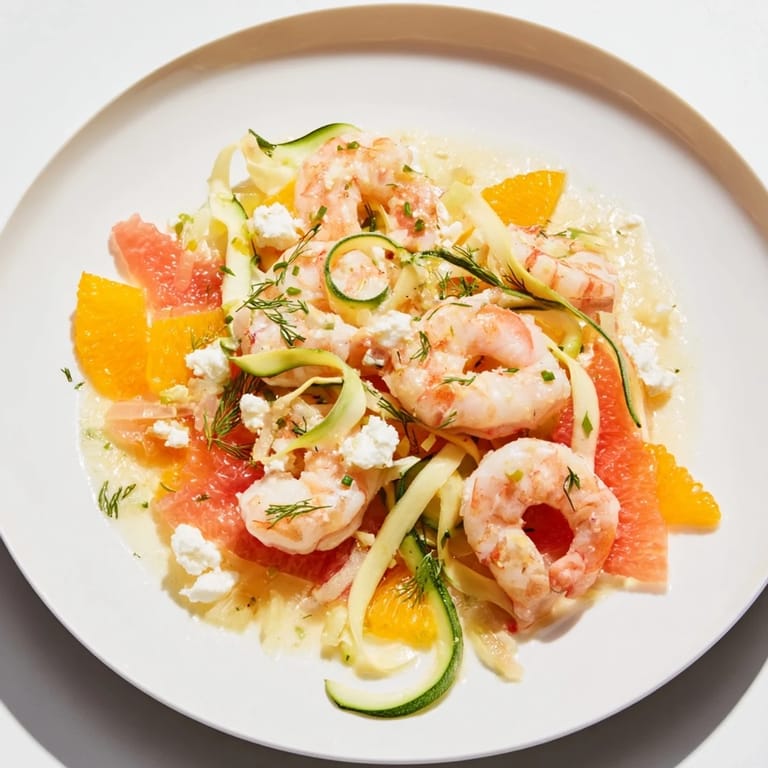
Save I discovered this dish on a Tuesday afternoon when I was staring into my fridge with absolutely nothing inspiring to cook. There were shrimp that needed using, a lonely bag of citrus segments, and somehow a block of Gruyère calling to me from the back shelf. I started layering things on a platter almost without thinking, and when I slid it under the broiler, the cheese bubbled up and caught the light in a way that made me stop and just watch. It felt like bringing a tiny ocean landscape right onto my dinner table.
The first time I made this for someone else, my friend Sarah walked into my kitchen just as I was arranging the vegetables, and she actually gasped. Not in a polite way—in a genuine, "I didn't know you could make something look this pretty" way. Watching her take that first bite, where the warm cheese mixed with cold citrus juice, I realized this dish had become one of those meals that bridges the gap between cooking for yourself and cooking to share a moment.
Ingredients
- Large pink shrimp, 500 g: The size matters here—they cook quickly and stay tender, and their pale pink color is essential to the coral reef visual. I always buy them fresh from the seafood counter and prep them just before cooking.
- Oranges and pink grapefruit: The segmentation takes five minutes but creates jewel-like pieces that catch light on the platter. Grapefruit brings a bitter edge that balances the richness of the cheese beautifully.
- Lemon juice: Just enough to brighten the shrimp and cut through the fat, making each bite feel fresh.
- Gruyère cheese, 120 g: It has to be Gruyère—the nuttiness and the way it bubbles under the broiler is non-negotiable, though Emmental works in a pinch.
- Ricotta cheese, 50 g: These small dollops create cream pockets that melt slightly, creating surprising soft moments among the vegetables.
- Zucchini and carrot: Thin ribbons and julienne cuts make them the architecture of the dish, steaming just until barely tender so they hold their shape and color.
- Fresh chives and dill: These aren't decoration—they're the finishing notes that make you remember you're eating something from the sea.
- Olive oil: Good quality matters, especially the final drizzle when everything is hot.
Tired of Takeout? 🥡
Get 10 meals you can make faster than delivery arrives. Seriously.
One email. No spam. Unsubscribe anytime.
Instructions
- Fire up your broiler and prep the shrimp:
- Get your broiler heating while you toss the shrimp with oil, lemon juice, salt, and pepper. This takes two minutes and sets up everything else.
- Get the shrimp golden and tender:
- Heat a skillet over medium-high until it's hot enough that the shrimp sizzles the moment it touches the pan. Two minutes per side—no more, or they toughen. You'll know they're done when they turn that opaque, cooked pink.
- Brighten the citrus with zest:
- Toss your orange and grapefruit segments gently with the zest and a pinch of salt in a separate bowl. The salt draws out tiny juices that make the whole thing glisten.
- Steam the vegetables until just tender:
- One to two minutes in a steamer or microwave-safe bowl—they should still have snap and color when you pull them out. If they're soft, your coral reef loses its structure.
- Arrange like you're creating a landscape:
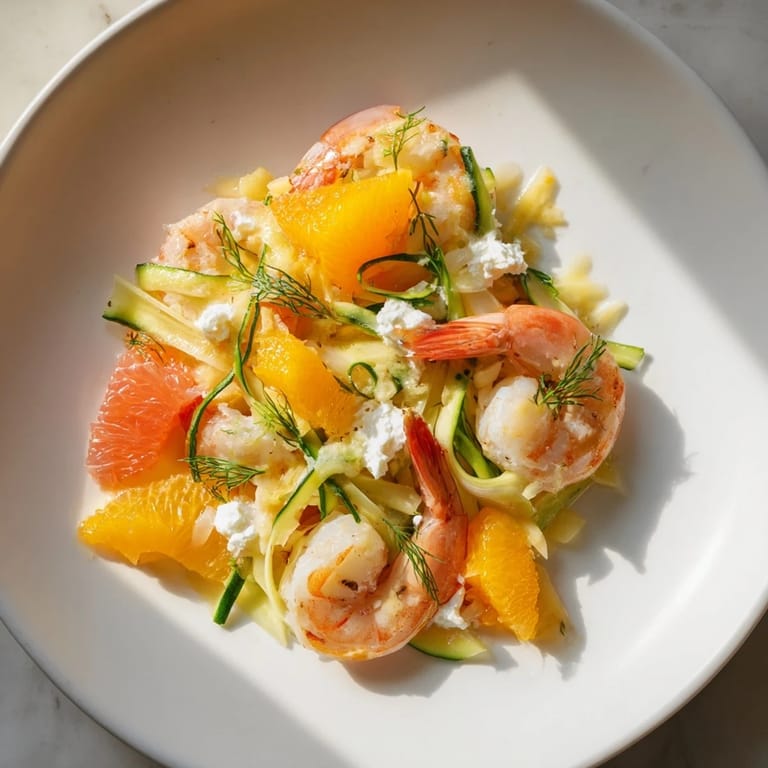
- Start with the zucchini and carrot ribbons as your base, layering them on your oven-safe platter in a way that feels natural and a little wild. Nestle the shrimp and citrus segments among them, creating pockets and peaks. This is the moment where it becomes art.
- Crown it with cheese:
- Sprinkle the grated Gruyère evenly over the whole arrangement, then dot small spoonfuls of ricotta around so there are surprise soft spots when people eat it. The uneven distribution makes it look more intentional.
- Broil until bubbling and golden:
- Two to three minutes under a hot broiler—watch it the whole time. The cheese should be bubbly and just beginning to brown at the edges. Pull it out the moment it looks right; there's only a ten-second window between perfect and overdone.
- Finish and serve immediately:
- The chives and dill go on just before plating, drizzle with your remaining olive oil while everything is still hot. Serve right away so the cheese is still warm and the vegetables still have their bite.
 Save
Save There's something about this dish that turned into a tradition in my house without me planning it. Now when friends know I'm making it, they actually ask if they can watch, and we end up standing around the counter talking while the broiler does its work. It became less about impressing people and more about creating a moment where everyone stops and looks at what's in front of them before eating.
Building Your Coral Reef
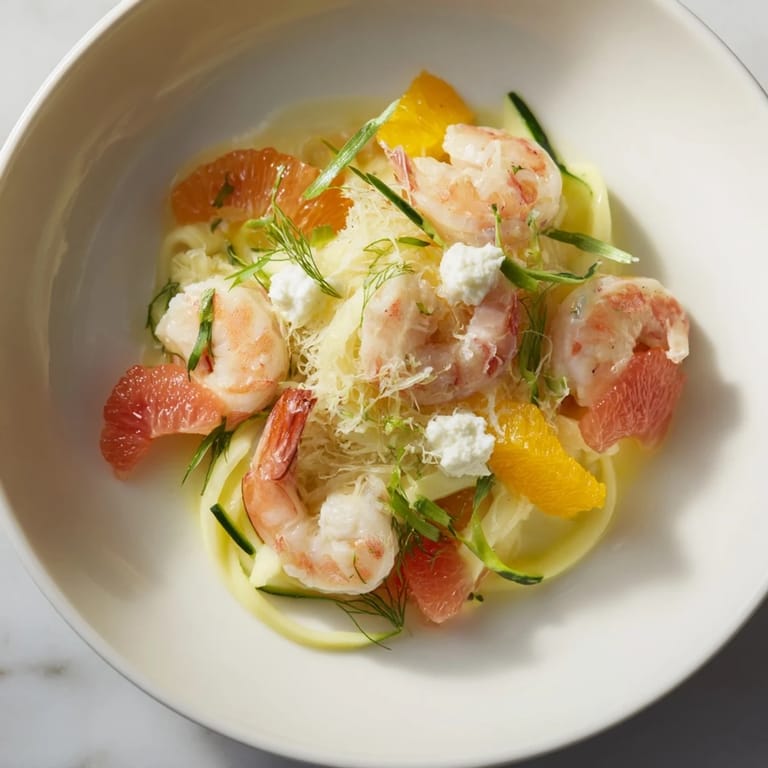
The real magic of this dish is in the arrangement, not the cooking. You could follow these steps perfectly and still end up with something that tastes wonderful but looks ordinary if you don't take a moment with the platter. Think of it like you're arranging a small landscape—let the colors speak to each other, create little valleys where things nestle together, leave some height variation so it catches light differently from different angles. The vegetables form the geological structure, the shrimp become the creatures, and the citrus segments are the light filtering through water. It sounds fanciful, but people eat with their eyes first.
Citrus and Cheese as a Flavor Combination
I spent a long time thinking citrus and cheese didn't go together until I tasted them warm, together, with something else between them. The grapefruit's slight bitterness against Gruyère's nuttiness creates this space that the shrimp fills perfectly. The lemon juice isn't there to be loud—it's there to be the bridge that makes you taste all three elements at once instead of one after another. It's one of those combinations that isn't popular enough to be obvious, but once you taste it, it feels inevitable.
Making It Your Own
This recipe is flexible if you understand what it's trying to do. The core is shrimp, citrus, and a cheese that bubbles. Everything else can shift based on what's in your kitchen or what season you're cooking in. I've added pomegranate seeds in winter for tartness, made it with scallops instead of shrimp when I was feeling fancy, used asparagus when zucchini felt tired. The important thing is keeping the balance between sweet citrus, rich cheese, and delicate seafood, and respecting the broiler's quick temper.
- Watermelon radish slices add both color and a peppery crunch if you want extra texture.
- A squeeze of fresh lime juice instead of lemon brings a different kind of brightness.
- Pair it with a cold Sauvignon Blanc or dry rosé and let that crisp acidity finish what the citrus started.
 Save
Save This dish reminds me that some meals don't need to be complicated to feel special. Bring it to the table and let people see it before they taste it, because that moment of recognition—when they realize what they're about to eat—is part of the recipe too.
Recipe Q&A
- → How should the shrimp be cooked for best texture?
Sauté pink shrimp quickly over medium-high heat for about 2 minutes per side to keep them tender and juicy without overcooking.
- → What citrus fruits complement the dish's flavors?
Segments of oranges and pink grapefruit add bright, sweet-tart notes that balance the richness of the cheese and shrimp.
- → Can the Gruyère cheese be substituted?
Yes, Emmental or a bubbly mozzarella are good alternatives that melt well and maintain the dish’s creamy texture.
- → How is the vegetable base prepared?
Zucchini ribbons and julienned carrot are lightly steamed until just tender to create a delicate, colorful foundation reminiscent of coral structures.
- → What herbs enhance the final flavor profile?
Fresh chives and torn dill add a subtle green freshness and enhance the dish’s aromatic complexity.
- → What wine pairs well with this dish?
A crisp Sauvignon Blanc or a dry rosé complement the seafood and citrus elements beautifully.