 Save
Save The first time I tasted authentic mapo tofu was in a tiny restaurant in Chengdu, watching the chef ladle that crimson sauce over trembling cubes of tofu like it was the most natural thing in the world. Years later, I finally understood what made it so magnetic—it wasn't just heat, but that electric tingle from Sichuan peppercorns that makes your mouth feel alive, paired with the delicate silkiness of tofu that absorbs every drop of that complex, fermented sauce. Now I make it whenever I want to transport myself back to that moment, or when I need to remind someone at my table what bold flavor actually tastes like.
I remember cooking this for a dinner party and watching my friend take one bite, her eyes widen, and then she immediately asked for seconds before finishing her first bowl. That's when I knew this dish had something special—it doesn't just fill you up, it makes you want more, and it sparks conversations at the table about spice tolerance and flavor complexity.
Ingredients
- Silken or soft tofu (400 g): The silkier, the better—it will break apart if you're too rough, but that's actually okay because those pieces soak up all that incredible sauce.
- Ground pork or beef (150 g, optional): Adds a savory depth, but leave it out entirely if you want to keep this strictly vegetarian without apology.
- Sichuan doubanjiang (2 tbsp): This fermented chili bean paste is non-negotiable; it's the soul of the dish, salty and complex with a gentle heat.
- Soy sauce (1 tbsp): Just enough to deepen the umami without overpowering the delicate heat of the chilies.
- Shaoxing wine (1 tbsp): A touch of sweetness and depth; dry sherry works if that's what you have on hand.
- Sugar (1 tsp): A tiny pinch to balance the saltiness and let all the other flavors shine.
- Low-sodium broth (1/2 cup): Use chicken or vegetable depending on whether you're keeping this vegetarian.
- Cornstarch slurry (1 tbsp cornstarch + 2 tbsp water): This thickens the sauce so it clings to every cube of tofu instead of pooling at the bottom.
- Sichuan peppercorns (1 tbsp, toasted and ground): Toast them yourself for that fresh, citrusy numbing sensation that makes this dish unforgettable.
- Vegetable oil (3 tbsp): High heat tolerance is key—you want it hot enough to bloom those aromatics.
- Garlic (3 cloves, minced) and ginger (2 tsp, minced): The aromatic foundation that everything else builds on.
- Scallions (2, sliced): Keep the white and green parts separate so you can add them at different times for layered flavor.
- Dried red chilies (1–2, chopped): Optional, but they add a deeper, smokier heat underneath the numbing tingle.
Tired of Takeout? 🥡
Get 10 meals you can make faster than delivery arrives. Seriously.
One email. No spam. Unsubscribe anytime.
Instructions
- Get everything ready:
- Drain your tofu gently and cut it into cubes about the size of dice—not too small or they'll disappear into the sauce. Mix your cornstarch and water in a small bowl, stir the soy sauce and Shaoxing wine together, and have all your aromatics prepped and separated.
- Toast the peppercorns:
- Drop them into a dry pan over medium heat and listen—they'll pop and crackle, releasing this incredible citrusy aroma that fills your kitchen. Grind them coarsely in a mortar and pestle so you get little flecks of texture in every bite.
- Build your flavor base:
- Heat your oil until it shimmers, then add the white parts of your scallions along with the garlic and ginger, stirring constantly for about 60 seconds. The smell will be intoxicating, and that's your signal that everything is properly bloomed.
- Brown the meat (if using):
- Crumble your ground pork or beef into the fragrant oil and break it apart as it cooks, listening for that gentle sizzle. This step takes about 4–5 minutes and adds a savory richness to the whole dish.
- Wake up the paste:
- Stir in your doubanjiang and any dried chilies you're using, watching as the oil turns a deep crimson red. Let this cook for a minute or two—you want to release all those fermented, complex flavors into the oil.
- Add your liquid:
- Pour in your Shaoxing wine, soy sauce, sugar, and broth, stirring until everything comes together into a cohesive sauce. Bring it to a gentle simmer and taste—this is your chance to adjust the heat or salt if needed.
- Welcome the tofu:
- Slide your tofu cubes in gently, spooning the sauce over them as they settle into the pan. Simmer for about 5 minutes, resisting the urge to stir too much—you want the tofu to stay intact and drink in all that flavor.
- Thicken the sauce:
- Give your cornstarch slurry a final stir and drizzle it in slowly while stirring very gently, watching as the sauce transforms from thin and loose to glossy and clinging. Stop when it reaches that perfect consistency where the sauce coats the tofu but doesn't feel gloppy.
- Finish with heat and green:
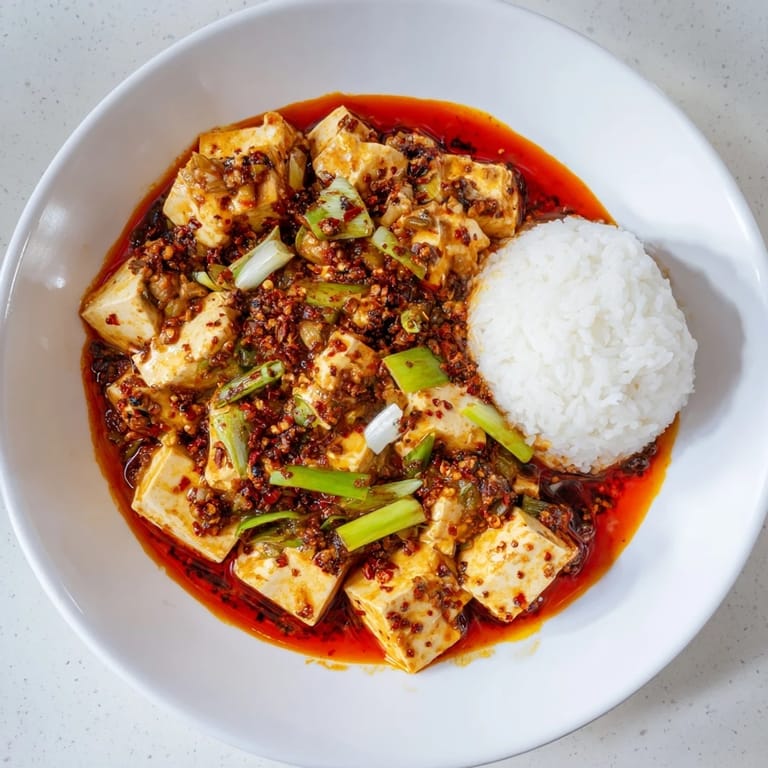
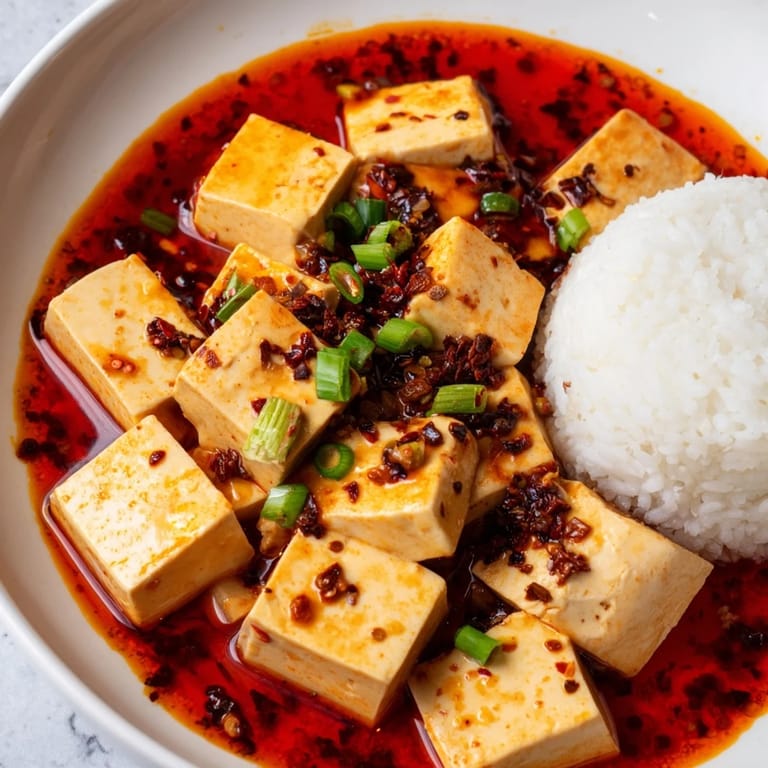
- Sprinkle your ground Sichuan peppercorns over everything and scatter the green parts of your scallions on top, creating that beautiful two-tone garnish. Serve immediately over steaming rice, with extra scallions and a drizzle of chili oil if you want to push the heat even further.
 Save
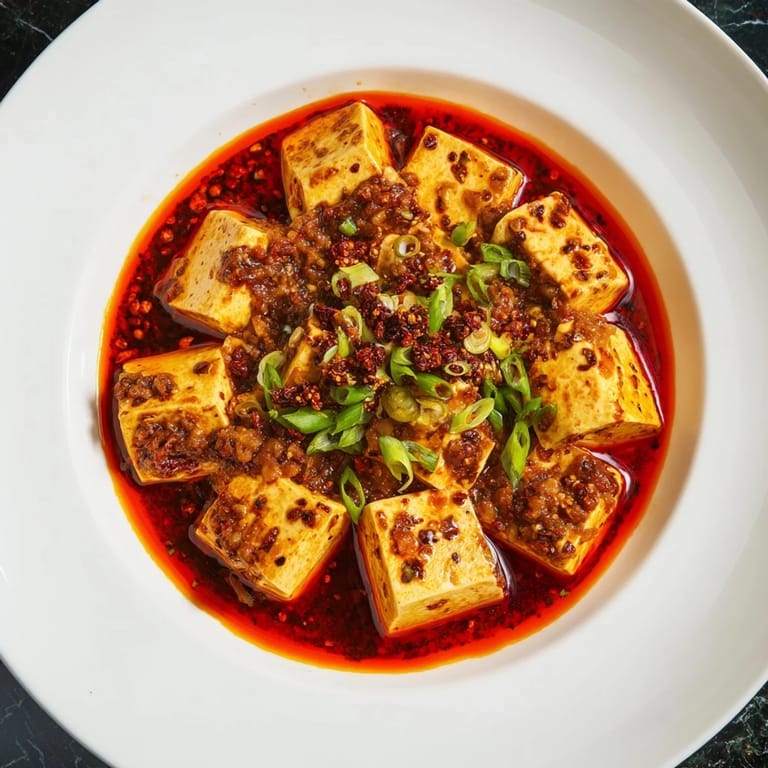
Save There's something almost meditative about standing over a steaming wok, watching that pale tofu gradually turn rosy as the sauce blooms around it, transforming something so simple and humble into something that feels luxurious and alive. That moment, when you taste it for the first time and feel that numbing heat spread across your tongue, is when you understand why this dish has been a cornerstone of Sichuan cooking for generations.
The Magic of Sichuan Peppercorns
Most people think Sichuan peppercorns are spicy, but they're not—they're electric, creating a tingling numbness called ma la that's completely different from the burning heat of chili peppers. If you've never experienced them before, start with a small amount and build from there, because once you understand how they work, you'll want to add them to almost everything. The trick is toasting them yourself in a dry pan just before grinding, which wakes up their oils and makes them taste alive instead of dusty.
Customizing Your Heat Level
This dish's heat is completely flexible depending on your crowd and your mood—you can dial it back by using less doubanjiang and omitting the dried chilies entirely, or crank it up by adding more chilies and finishing with an extra drizzle of chili oil. I've served milder versions to friends who prefer subtlety, and spicy versions to people who want to feel their food, and both are equally satisfying. The real beauty is that even a mild version still has that incredible umami depth from the fermented paste.
Why Silken Tofu Matters
Silken tofu creates a completely different experience than firm tofu—it's almost creamy, dissolving slightly on your tongue and letting the sauce coat every surface. If you use firm tofu, it'll hold its shape better and be easier to cook with, but you lose that delicate mouthfeel that makes this dish feel almost luxurious. My recommendation is to seek out silken tofu specifically for this recipe, treat it with gentle hands, and embrace the way it practically melts with the sauce.
- The silkier your tofu, the more it will absorb the sauce, but also the more carefully you need to handle it to keep it from breaking apart.
- If you can't find silken tofu, firm tofu works, but reduce the simmering time to 3 minutes to avoid it becoming spongy.
- Always drain your tofu well before cubing, or you'll end up with extra moisture diluting your gorgeous sauce.
 Save
Save This is the kind of dish that reminds you why cooking matters—it takes humble ingredients and transforms them into something bold and memorable, something that brings people to the table and makes them want to talk. Make it once, and I guarantee you'll be making it again.
Recipe Q&A
- → What type of tofu works best for this dish?
Silken or soft tofu is preferred for its delicate texture, but firm tofu can be used to maintain shape during cooking.
- → How can I adjust the spice level?
Modify the amount of fermented chili bean paste and dried red chilies to suit your preferred heat intensity.
- → Can this dish be made vegetarian?
Yes, omit the meat and use vegetarian chili bean paste along with vegetable broth to keep it plant-based.
- → What is the role of Sichuan peppercorns here?
They provide a unique numbing and aromatic quality that complements the spicy chili sauce beautifully.
- → How is the sauce thickened?
A cornstarch slurry is stirred into the simmering sauce, giving it a glossy, thick coat over the tofu.
- → What side pairs well with this dish?
Steamed jasmine rice is traditional, helping to balance the bold and spicy flavors.