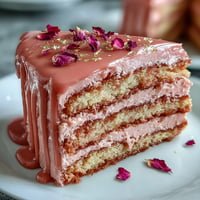
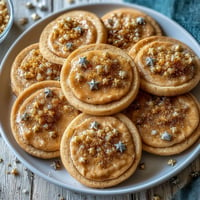
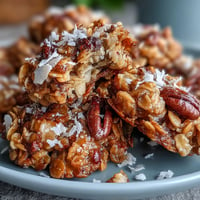
 Save
Save There's something about hojicha that stops me mid-morning—that toasted, almost caramel-like warmth that tastes like someone's been patient with tea leaves over low heat. One afternoon, I was sipping a hojicha latte at a small café, watching rain streak the window, when it hit me: what if this flavor lived inside a cake? Not just as an afterthought drizzle, but woven through every crumb, soft and earthy and completely unrushed. This version skips the eggs and dairy entirely, yet somehow feels more luxurious than any traditional cake I've made.
I made this for a friend who'd mentioned going vegan, and I remember her pause before the first bite—that tiny hesitation people sometimes have around 'alternative' desserts. But then her face softened, and she asked for the recipe before she'd even finished the slice. That's when I knew the cake had won her over, not because of what it wasn't, but because of what it actually was.
Ingredients
- Gluten-free all-purpose flour blend and almond flour: Together they create structure without heaviness; the almond flour adds subtle richness that keeps the cake tender even without eggs.
- Hojicha powder: High-quality matters here—it's the soul of the cake, so don't settle for dusty stuff that's been sitting around since last season.
- Baking powder and baking soda: The combination gives you lift and a delicate crumb, crucial when you're skipping the binding power of eggs.
- Unsweetened almond milk and apple cider vinegar: This creates a vegan buttermilk that mimics the tang and tender crumb you'd get from dairy, a small trick that changes everything.
- Maple syrup: Sweeter than sugar by weight, so you use less while still getting moisture and caramel notes that echo the hojicha.
- Coconut oil: Melted, it emulsifies beautifully with the plant milk and adds a silky mouthfeel without any coconut flavor fighting the hojicha.
- Full-fat coconut milk: Refrigerated overnight, the solid cream rises to the top—that's your frosting base, luxurious and naturally sweet.
Tired of Takeout? 🥡
Get 10 meals you can make faster than delivery arrives. Seriously.
One email. No spam. Unsubscribe anytime.
Instructions
- Set your stage:
- Preheat to 350°F and prep an 8-inch pan with parchment—this cake bakes gently, so you want even heat. Grease well to keep things moving smoothly.
- Make your vegan buttermilk:
- Combine almond milk and apple cider vinegar, then wait those 5 minutes while it curdles slightly. You'll actually smell the vinegar mellow a bit, which means it's ready.
- Build the dry mixture:
- Whisk flour, almond flour, hojicha powder, baking powder, baking soda, and salt together. The hojicha color will be subtle at first, but don't worry—it intensifies in the oven.
- Blend the wet ingredients:
- Mix your vegan buttermilk with maple syrup, melted coconut oil, and vanilla. You want everything silky and combined.
- Fold it all together:
- Pour wet into dry and stir just until no white streaks remain—overmixing develops gluten, even in gluten-free flour, and you want a delicate crumb here. The batter should look thick but pourable.
- Bake with patience:
- Transfer to your pan and smooth the top gently. Bake 30-35 minutes until a toothpick comes out clean—the cake should smell toasted and deep, almost nutty.
- Cool completely:
- Let it rest in the pan for 10 minutes to set slightly, then turn onto a wire rack. This matters more than you'd think for stability and structure.
- Create the frosting:
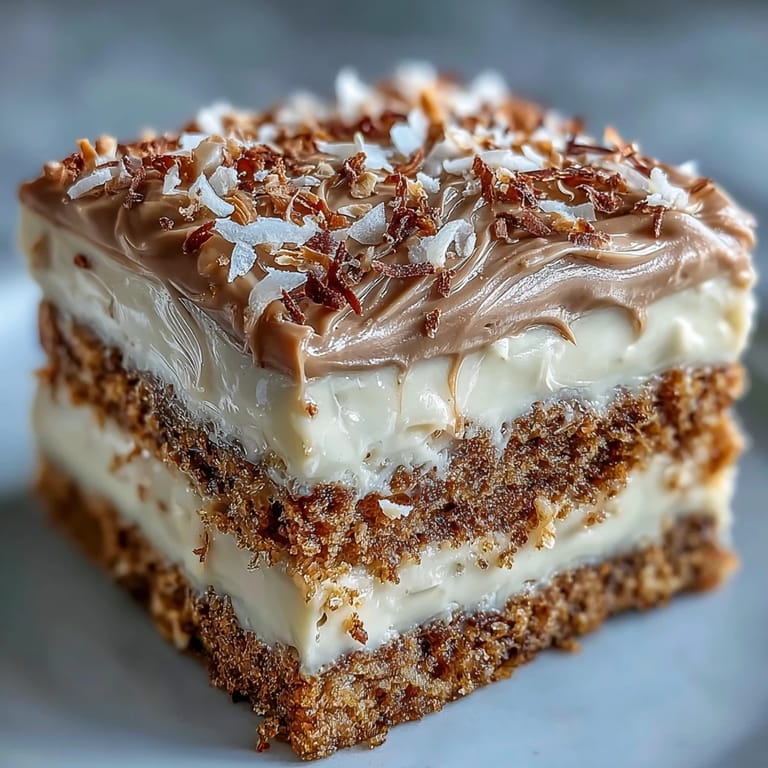
- Scoop just the solid coconut cream from your chilled can into a bowl, leaving behind the liquid (save for smoothies or tea). Beat with a mixer until fluffy and cloud-like, then fold in maple syrup and vanilla.
- Frost and finish:
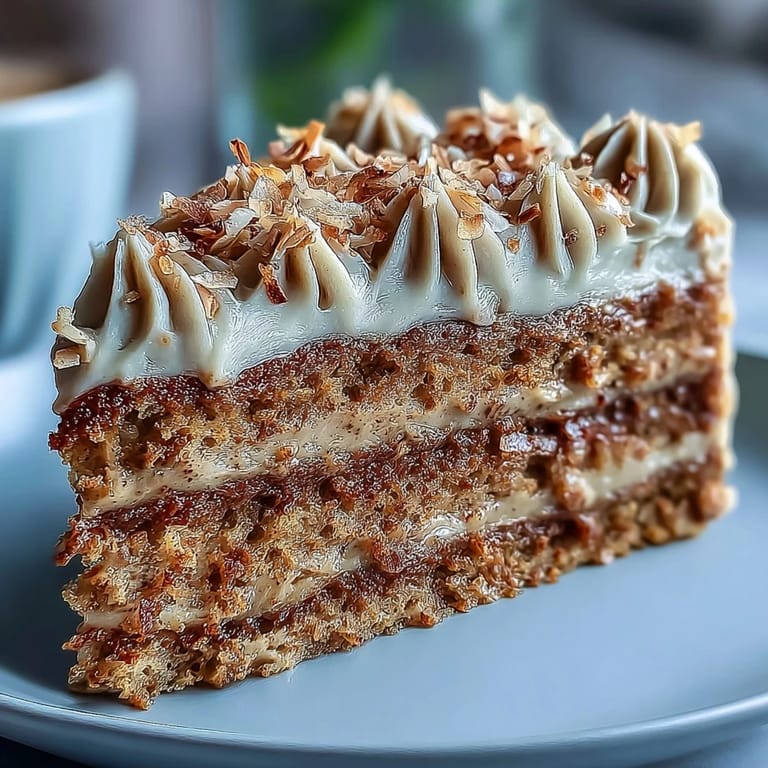
- Once the cake is completely cool, spread the frosting evenly across the top. Dust with hojicha powder and scatter toasted coconut flakes if you're feeling it.
 Save
Save There was something tender about watching someone who'd been skeptical about vegan baking actually close their eyes while eating this, like they were tasting memory itself. That moment taught me that good food isn't about what's missing—it's about what's truly there, and hojicha in a cake, done right, is unmistakably there.
The Hojicha Difference
Hojicha is roasted green tea, and that roasting changes everything. Where matcha is grassy and bright, hojicha is warm, almost woody, with hints of caramel and toast that feel cozy rather than sharp. In cake, it doesn't scream for attention—it murmurs underneath, making every bite feel more sophisticated than it should. The roasting also makes it less astringent, so the flavor plays well with coconut and maple instead of fighting them. If you've never baked with hojicha, prepare for people to ask what that mysterious good flavor is, then refuse to believe you when you tell them it's just tea.
Storing and Serving
Wrapped in the fridge, this cake stays tender and moist for three days—longer than you'd expect from a gluten-free cake, thanks to the almond flour and coconut oil keeping everything hydrated. Room temperature for an hour before serving brings out the hojicha warmth more than eating it straight from cold. I've also kept layers in the freezer for up to a month, frosting them fresh when needed, though there's always something special about eating it the day it's made.
Pairing and Occasions
Serve this alongside a strong hojicha tea or matcha latte to let the flavors echo and deepen. It's refined enough for a dinner party but approachable enough for an afternoon with a friend. The cake also works beautifully at celebrations where dietary restrictions matter—it doesn't feel like a compromise, it feels like care.
- A light-bodied sake or sparkling rosé pairs better than you'd expect if you're serving for dessert wine.
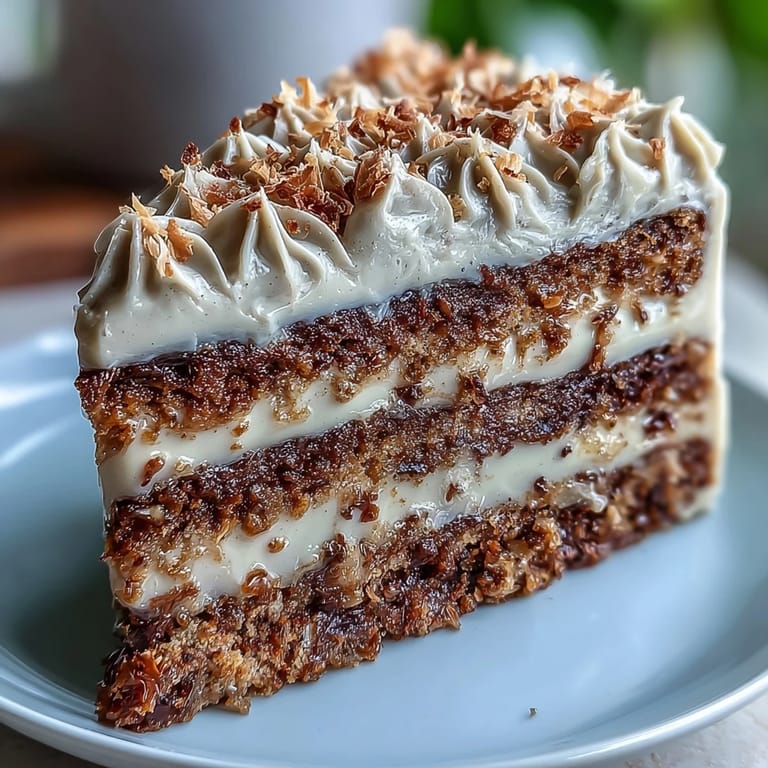
- Make it a two-layer cake for something more dramatic—just double the batter, split the layers, and increase frosting by half.
- Toast those coconut flakes in a dry pan yourself instead of buying them pre-toasted; they taste fresher and you control the color.
 Save
Save This cake lives in that rare space where it tastes indulgent and feels nourishing, where dietary choices expand what's possible instead of limiting it. Make it when you want to slow down and taste something real.
Recipe Q&A
- → What does hojicha taste like?
Hojicha offers a warm, roasted flavor with earthy notes and subtle caramel undertones. Unlike bitter green teas, it has a smooth, mellow profile that pairs beautifully with sweet desserts.
- → Can I use regular flour instead of gluten-free blend?
Yes, substitute an equal amount of all-purpose wheat flour. The texture will be slightly denser but still delicious. No other adjustments needed.
- → Why must the coconut milk chill overnight?
Refrigeration separates the solid cream from the liquid. Only the thick cream whips into fluffy frosting—the liquid portion creates a runny texture that won't hold its shape.
- → Is hojicha powder the same as matcha?
No, they differ significantly. Hojicha is made from roasted tea leaves, producing a reddish-brown powder with nutty, toasty notes. Matcha uses steamed, shade-grown leaves for vibrant green color and grassy flavor.
- → How should I store leftovers?
Keep the cake refrigerated in an airtight container for up to 3 days. The frosting holds its best texture when chilled. Bring slices to room temperature 15 minutes before serving for ideal flavor.
- → Can I make this cake without frosting?
Absolutely. The hojicha sponge stands alone beautifully, offering a fragrant, not-too-sweet treat. Dust with powdered sugar or extra hojicha powder for an elegant finish.