 Save
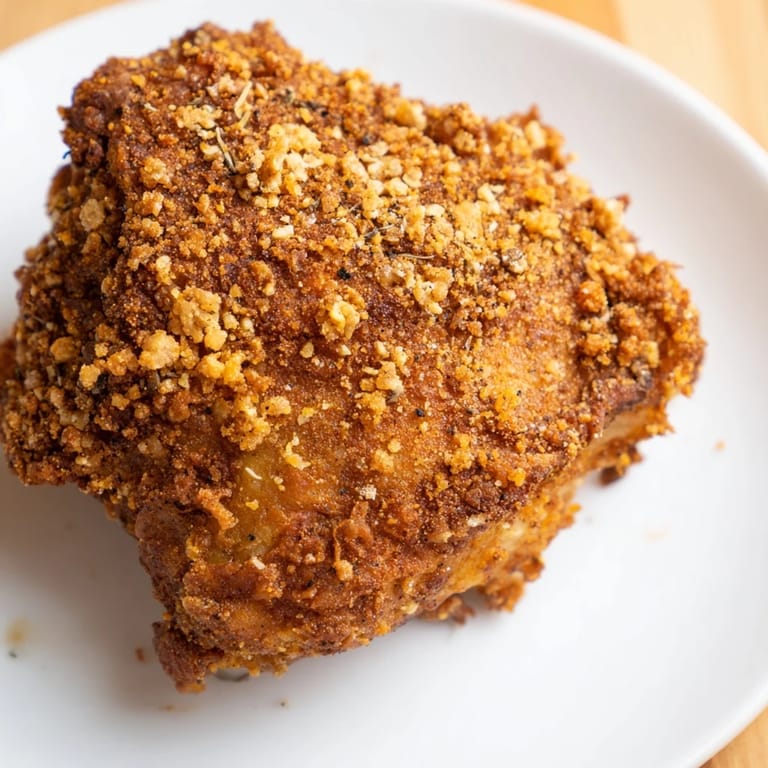
Save There's a particular moment that happens every time I fry chicken at home—that split second when golden-brown pieces hit the hot oil and the kitchen fills with a smell so good it feels like cheating. Years of ordering takeout taught me that crispy coating wasn't magic, just a carefully balanced spice blend and a technique that refuses shortcuts. One lazy Sunday, I decided to stop paying for it and started experimenting with buttermilk marinades and layered seasonings in my own kitchen. This recipe is what emerged after countless batches, burnt fingertips, and one very patient taste-tester who never complained.
I made this for a small dinner party once, nervous because I'd never fried for a crowd before. My friend Sarah showed up early and stood by the stove, and I remember her gasping when the first batch came out of the oil—not a theatrical gasp, just genuine surprise at how restaurant-quality it looked. She asked for the recipe before she'd even finished eating, and now it's become our default whenever she hosts game night. There's something about homemade fried chicken that turns a regular meal into an event.
Ingredients
- Chicken (8 pieces, skin-on, bone-in): Skin and bones conduct heat better and keep meat juicy—drumsticks and thighs are more forgiving than breasts if you're new to frying.
- Buttermilk: This isn't just for flavor; the acidity tenderizes the chicken and helps the coating stick like it means business.
- All-purpose flour (200g): Don't use cake flour or self-rising—all-purpose gives you the right texture for that satisfying crunch.
- Paprika (2 tsp): This is your color and warmth; it's why the coating looks like it came from a professional kitchen.
- Garlic powder, onion powder, thyme, basil, oregano: Each one adds a layer—together they create that signature savory depth that makes people ask what your secret is.
- Celery salt, white pepper, mustard powder, ginger, cayenne, sage: These are the quiet players that make the spice blend memorable instead of generic; don't skip any of them.
- Vegetable oil (1 liter): A neutral oil with a high smoke point is essential; peanut or canola work beautifully too.
Tired of Takeout? 🥡
Get 10 meals you can make faster than delivery arrives. Seriously.
One email. No spam. Unsubscribe anytime.
Instructions
- Prepare the marinade and coat the chicken:
- Whisk buttermilk with salt and pepper in a large bowl, then add your chicken and make sure every piece gets submerged. Marinate overnight if you have time—the flavor gets deeper—but one hour is your minimum. This is where patience pays off.
- Build your spice blend:
- Combine all the seasoned flour ingredients in a separate bowl and mix thoroughly with a whisk or fork, breaking up any clumps so the spices are evenly distributed. This step matters more than you'd think; uneven seasoning is disappointing.
- Coat and rest:
- Pull each chicken piece from the buttermilk, let excess drip off, then press it firmly into the seasoned flour, turning to coat all sides. Place coated pieces on a rack and let them sit for 10 minutes—this helps the coating adhere and crisp up beautifully.
- Heat your oil:
- Get your oil to 170°C (340°F) using a thermometer if you have one; this temperature is the sweet spot for crispy outside and cooked-through inside without burning the coating.
- Fry in batches:
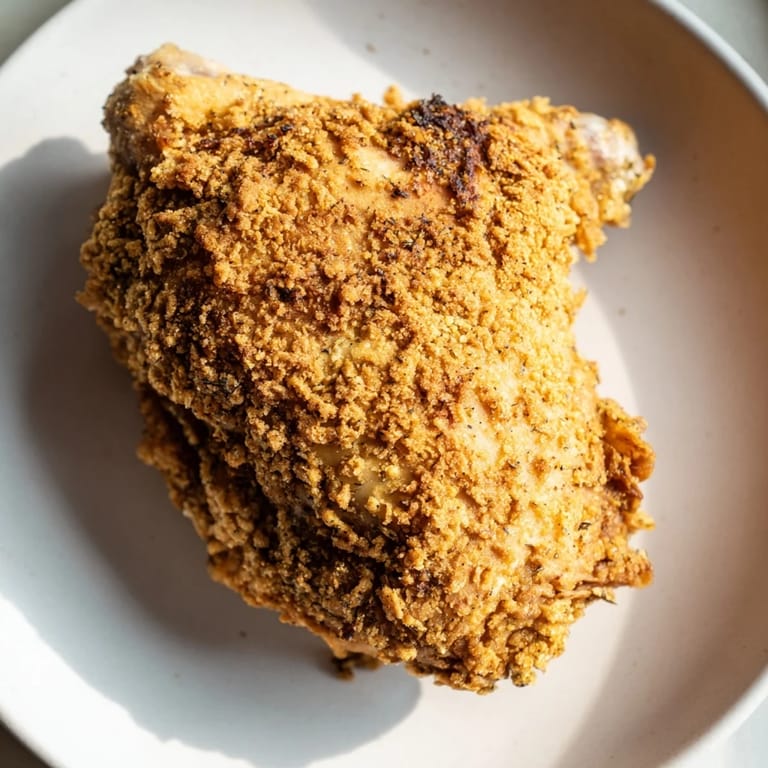
- Add chicken pieces without crowding the pan—they need room to brown evenly and develop that gorgeous golden color. Fry for 12–15 minutes, turning occasionally, until the internal temperature reaches 75°C (165°F) and the coating is deep golden brown.
- Rest and serve:
- Transfer finished pieces to a wire rack or paper towels to drain, then let them rest for 5 minutes so the coating stays crispy instead of getting soggy from trapped steam.
 Save
Save The first time someone told me this tasted like the real thing, I felt genuinely proud in a way that surprised me. It wasn't fancy or complicated, just honest cooking—knowing that crispy, flavorful chicken could come from my own kitchen instead of a drive-through window.
The Double-Dip Secret
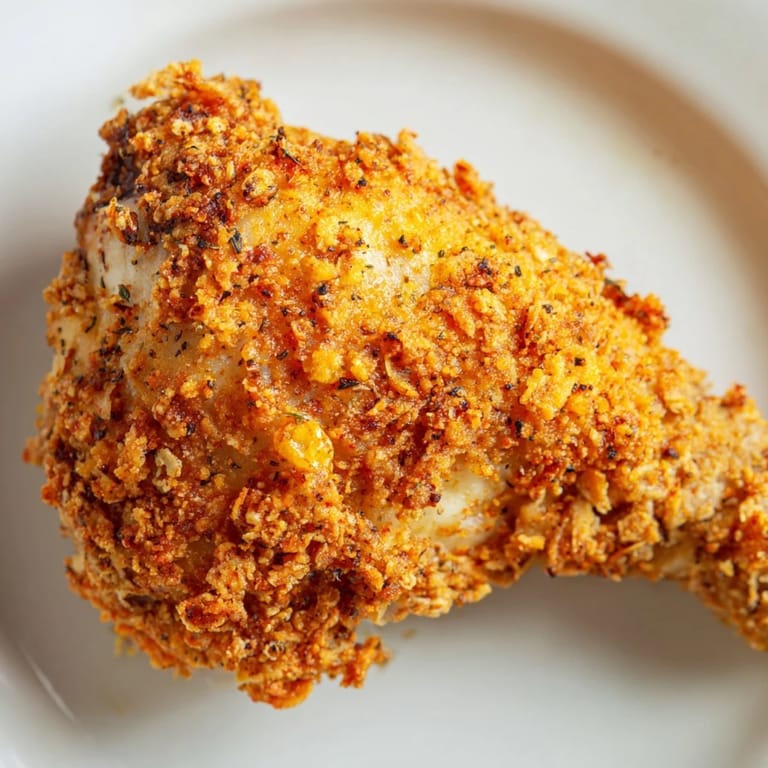
If you want that ultra-crispy exterior that shatters when you bite into it, try the double-dip method: after your first flour coating, dunk the chicken back into buttermilk and then coat again with flour. It sounds excessive, but it creates layers that fry up into something genuinely spectacular. I discovered this by accident when I was clumsy and dropped a piece back into the buttermilk bowl, and honestly, it was one of those happy mistakes that became standard practice.
Oil Temperature Really Matters
This is where a kitchen thermometer becomes your best friend. Oil that's too cool makes greasy chicken; oil that's too hot burns the outside before the inside cooks through. I learned this the hard way with several batches that were either soggy or charred on the edges. Once you hit that 170°C sweet spot and maintain it, everything clicks into place and your chicken turns out golden and perfect every single time.
Serving and Storage Tips
Serve this chicken hot with coleslaw, fries, or biscuits to round out the meal—that combination of crispy, creamy, and buttery is hard to beat. Leftovers keep for three days in the fridge and are honestly just as good cold the next day, which makes this recipe practical for meal prep or lazy afternoons. If you're watching oil intake, an air fryer version works reasonably well, though you'll lose some of that deep, satisfying crispness.
- Adjust the cayenne pepper up or down depending on whether you like heat or prefer it mild.
- Store cooled chicken in an airtight container in the fridge and reheat in a 180°C oven for 10 minutes to restore crispiness.
- If you're frying for a crowd, you can keep finished batches warm in a low oven while you fry the rest.
 Save
Save This recipe transformed how I think about fried chicken—from something to order from someone else into something I can confidently make in my own kitchen and feel genuinely proud of. Once you've made it a few times, you'll understand why people keep coming back for it.
Recipe Q&A
- → What makes the coating crispy?
The seasoned flour blend paired with buttermilk marinade helps the coating adhere firmly, creating a crunchy texture when fried.
- → Can I adjust the spice level?
Yes, increasing or reducing cayenne pepper in the flour mixture lets you control the heat intensity.
- → Is double-dipping necessary?
Double-dipping the chicken into buttermilk and flour again results in an extra crispy crust but can be skipped for a lighter coating.
- → What oil is best for frying?
Vegetable oil with a high smoke point is ideal for deep frying to maintain crispiness without burning.
- → How do I ensure juicy chicken inside?
Marinating the chicken in buttermilk allows tenderization and moisture retention, delivering juicy meat after frying.