 Save
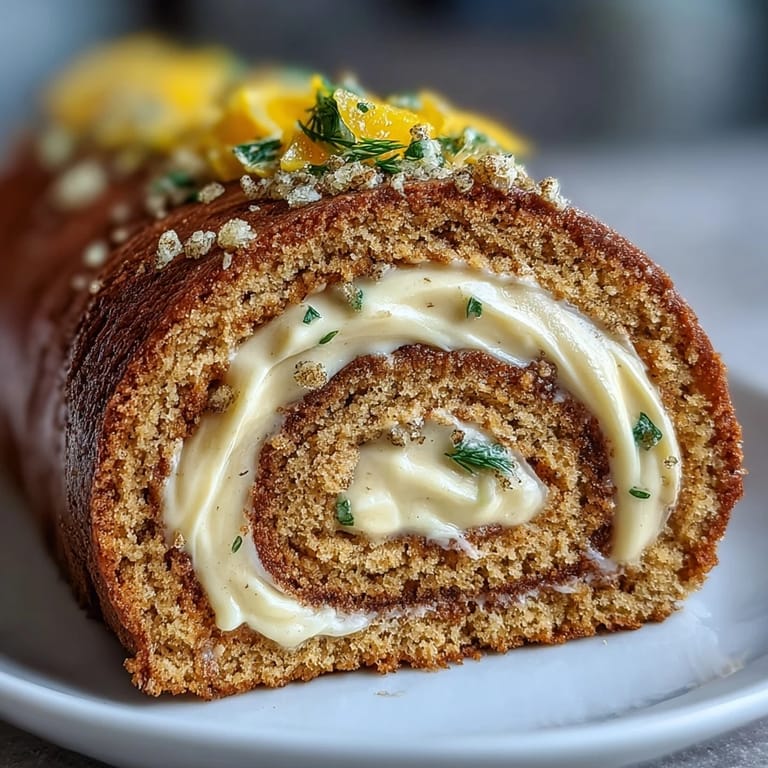
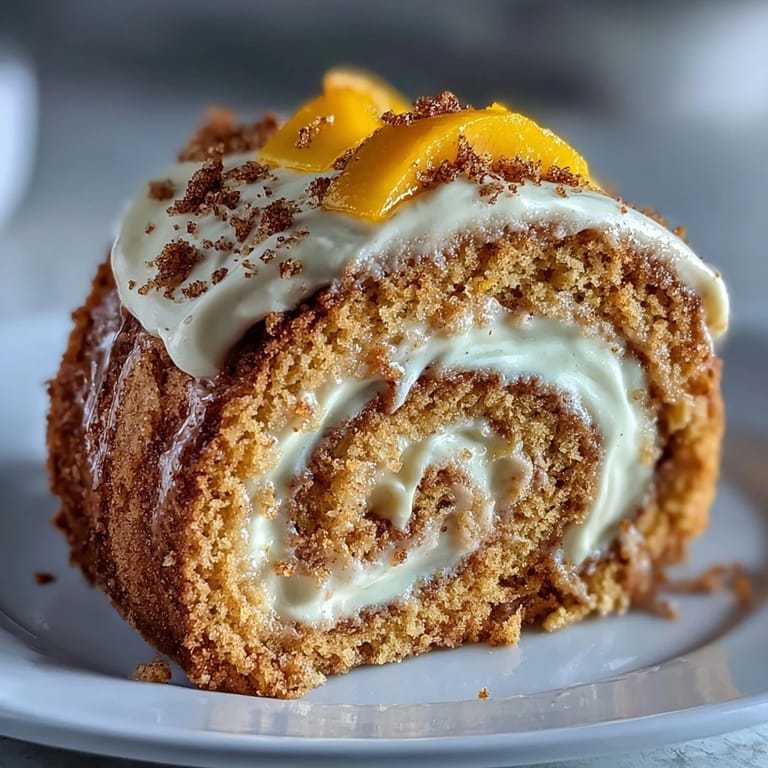
Save A delicate Japanese-inspired sponge roll filled with fragrant roasted green tea (hojicha) cream and a hint of fresh mango for a vibrant twist. This Hojicha Roll Cake offers a sophisticated flavor profile that balances the nutty depth of the tea with the natural sweetness of tropical fruit.
Save This recipe is designed for those who appreciate the subtle nuances of Japanese tea-based desserts. It is a medium-difficulty bake that results in a beautiful, professional-looking roll cake suitable for any special occasion.
Ingredients
Tired of Takeout? 🥡
Get 10 meals you can make faster than delivery arrives. Seriously.
One email. No spam. Unsubscribe anytime.
- Sponge Cake: 4 large eggs (separated), 80 g granulated sugar (divided), 60 ml whole milk, 50 ml vegetable oil, 70 g cake flour (sifted), 10 g cornstarch, 1 tbsp hojicha powder (roasted green tea), 1/4 tsp salt
- Hojicha Cream: 200 ml heavy cream (minimum 35% fat, chilled), 2 tbsp powdered sugar, 2 tsp hojicha powder
- Filling (Optional): 1 ripe mango, peeled and sliced into thin strips
Instructions
- Step 1
- Preheat the oven to 170°C (340°F). Line a 23 x 33 cm (9 x 13 in) baking tray with parchment paper.
- Step 2
- In a large bowl, whisk egg yolks with 40 g sugar until pale and creamy. Add milk, vegetable oil, and mix until smooth.
- Step 3
- Sift together cake flour, cornstarch, hojicha powder, and salt. Fold into the yolk mixture until just combined.
- Step 4
- In a clean bowl, beat egg whites until foamy. Gradually add remaining 40 g sugar and beat to stiff peaks.
- Step 5
- Gently fold the meringue into the yolk-flour mixture in three additions, being careful not to deflate the batter.
- Step 6
- Pour the batter into the prepared tray, smoothing the surface. Tap the tray gently to remove air bubbles.
- Step 7
- Bake for 13–15 minutes or until the cake springs back when lightly pressed.
- Step 8
- Remove from oven. While still warm, invert the cake onto a fresh sheet of parchment. Carefully peel off the baking paper and cover loosely with a clean kitchen towel. Let cool completely.
- Step 9
- For the hojicha cream: Whip chilled heavy cream, powdered sugar, and hojicha powder to medium-stiff peaks.
- Step 10
- To assemble: Once the sponge is cool, spread the hojicha cream evenly over the surface. Arrange mango strips along one short edge.
- Step 11
- Using the parchment, gently roll the cake from the edge with mango, forming a tight spiral. Wrap in parchment and chill for at least 30 minutes to set.
- Step 12
- Trim the ends for a neat finish and slice to serve.
Zusatztipps für die Zubereitung
To achieve the best results, ensure your mixing bowls are completely clean when beating egg whites. Use an electric mixer for the meringue and a flexible offset spatula to spread the cream evenly over the sponge.
Varianten und Anpassungen
You can omit the mango or substitute it with strawberries or peaches for a different flavor profile. For a lighter filling, you can use mascarpone cheese in place of part of the heavy cream.
Serviervorschläge
Serve the cake with a light dusting of hojicha powder or powdered sugar. This dessert pairs wonderfully with a warm cup of roasted green tea or a cold brew tea.
 Save
Save Each serving of this Hojicha Roll Cake contains approximately 205 calories, 12 g of fat, 20 g of carbohydrates, and 4 g of protein. Enjoy this vegetarian Japanese treat as a light finish to your meal.
Recipe Q&A
- → What makes hojicha different from matcha?
Hojicha is roasted green tea with earthy, toasty notes and less caffeine than matcha. Its reddish-brown color and mellow flavor create a subtle, aromatic cream that pairs beautifully with fresh fruits like mango.
- → Can I make this roll ahead of time?
Yes, the assembled roll keeps well in the refrigerator for 1-2 days. Wrap tightly in parchment to prevent drying. The flavors actually develop and improve after chilling overnight.
- → Why did my sponge crack when rolling?
Cracking usually happens when the sponge is overbaked or too cool. Roll while slightly warm, and don't overfold the meringue. A gentle touch when folding helps maintain the sponge's flexibility.
- → What can I use instead of mango?
Strawberries, peaches, or raspberries work wonderfully. You can also skip the fruit entirely and dust with extra hojicha powder for an intense tea flavor.
- → How do I store leftovers?
Wrap the roll in plastic or parchment and refrigerate for up to 2 days. For longer storage, slice and freeze individual pieces in airtight containers for up to 1 month.