 Save
Save There's a particular afternoon I won't forget, standing in a Japanese tea shop in Portland, when the owner handed me a small cup of hojicha and said, "This is what autumn tastes like." The roasted green tea had this unexpected warmth, nutty and almost caramel-like, completely different from any tea I'd encountered before. Weeks later, I found myself wondering if that same magic could translate into ice cream—something creamy and cold that would still hold that toasted, comforting flavor. When it worked, when I pulled that first spoonful from the ice cream maker and tasted both elegance and coziness at once, I understood why this particular dessert had become quietly beloved across Japan.
I made this for my neighbor one summer evening when she brought over fresh strawberries from her garden, and watching her eyes light up as she tasted it—that moment when you realize a dish has transcended being just dessert—reminded me why I love cooking for people. She asked for the recipe immediately, then came back three days later with homemade mochi, and we ended up sitting on the porch eating both together as the light turned golden.
Ingredients
- Heavy cream (2 cups): This is your foundation for richness and that silky texture that makes hojicha ice cream feel luxurious on your tongue; don't substitute with light cream or the result will taste thin.
- Whole milk (1 cup): The milk balances the cream and lets the tea flavor shine through without getting lost in all that fat, so full-fat is essential here.
- Hojicha loose leaf tea (3 tablespoons): This roasted green tea is the whole reason you're making this, so invest in good quality loose leaf if you can; the flavor difference between mediocre and excellent hojicha is genuinely night and day.
- Egg yolks (4 large): These create the custard base and give the ice cream that creamy, almost velvety mouthfeel that makes it feel homemade rather than commercial.
- Granulated sugar (2/3 cup): Sugar sweetens but also helps create the right texture when churned, so measuring accurately matters.
- Fine sea salt (pinch): A tiny amount of salt amplifies the hojicha's toasted notes and makes everything taste more like itself.
Tired of Takeout? 🥡
Get 10 meals you can make faster than delivery arrives. Seriously.
One email. No spam. Unsubscribe anytime.
Instructions
- Heat your cream and milk:
- Pour both into a saucepan and set it over medium heat, watching until small wisps of steam start rising from the surface but before any bubbles appear at the edges. You want it hot enough to properly steep the tea, but not so hot that you risk scorching the dairy.
- Steep the hojicha:
- Add your tea leaves once the cream mixture is steaming, then immediately lower the heat to low and cover the pan. Let it sit undisturbed for exactly ten minutes—this is enough time to extract all that roasted, nutty flavor without letting bitterness creep in.
- Strain and save the liquid:
- Pour everything through a fine sieve into a bowl, then use the back of a spoon to gently press the wet tea leaves, coaxing out every last drop of infused flavor. Return this beautiful hojicha-scented liquid to your saucepan.
- Whisk your egg mixture:
- In a separate bowl, combine egg yolks, sugar, and a pinch of salt, then whisk them together until the mixture becomes noticeably pale and slightly thickened—this usually takes about two minutes of steady whisking. This step is called emulsifying, and it's what prevents scrambled eggs in your final product.
- Temper the yolks carefully:
- Slowly pour about one cup of the warm hojicha milk into your egg mixture while whisking constantly, never stopping the whisking for a moment. Adding the liquid gradually and whisking throughout prevents the heat from shocking the yolks into becoming scrambled egg soup.
- Combine everything:
- Pour the now-warmed egg mixture back into the saucepan with the remaining hojicha milk and stir everything together gently.
- Cook the custard:
- Set your heat to low and stir constantly with a wooden spoon, scraping the bottom and sides, until the mixture coats the back of the spoon with a thin layer that doesn't immediately run off—this usually happens around 170 to 175 degrees Fahrenheit. You'll feel the mixture shift from thin to silky, and suddenly you'll have custard.
- Strain and chill:
- Pour the custard through a fine sieve into a clean bowl to catch any cooked egg bits, then let it cool to room temperature before covering and sliding it into the refrigerator for at least four hours. This resting period is non-negotiable; cold custard churns into better ice cream because the fat has time to settle.
- Churn into ice cream:
- Once your custard is completely cold, pour it into your ice cream maker and churn according to the manufacturer's instructions, which typically takes twenty to thirty minutes. You'll watch it transform from liquid to soft-serve consistency right before your eyes.
- Freeze until ready:
- Transfer your churned ice cream to an airtight freezer container and freeze for at least two hours before serving, though overnight is even better for a firmer scoop.
 Save
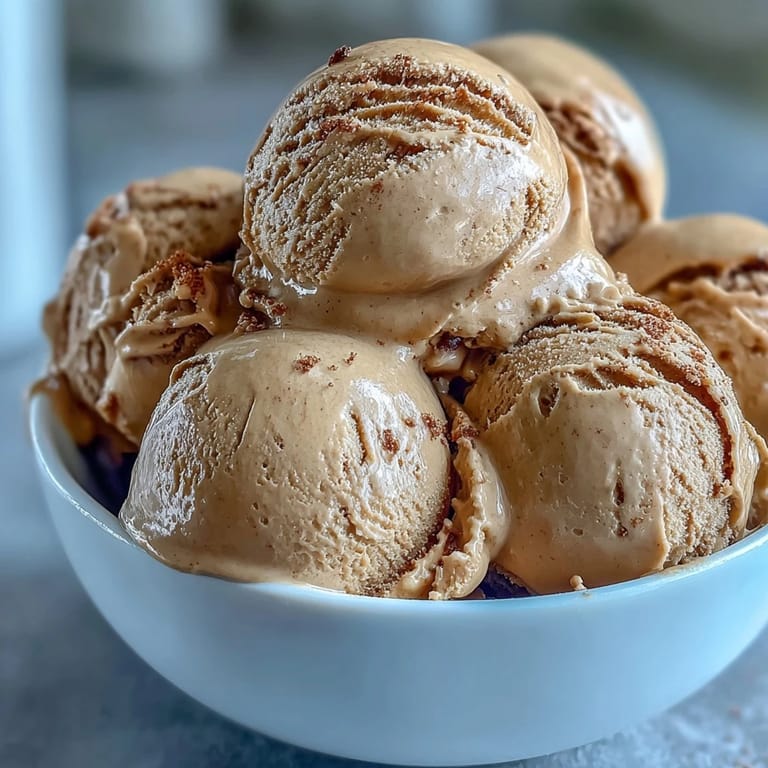
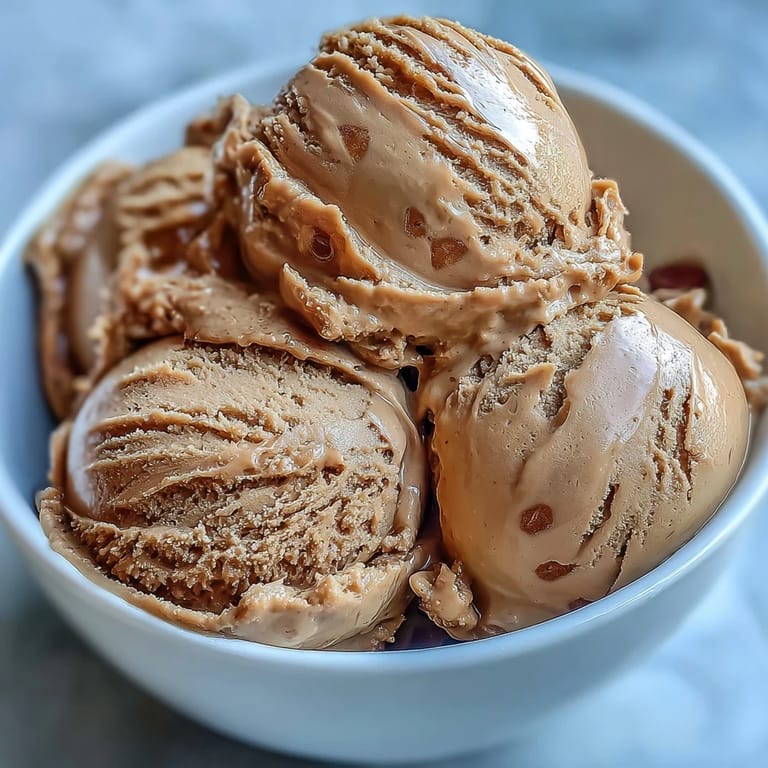
Save There's something about serving homemade ice cream that shifts the entire mood of a gathering, like you've just given people permission to slow down and savor. With this hojicha version, that feeling deepens because the flavor is contemplative—it asks you to taste it, to notice the toasted notes, to sit with something that's both comforting and refined.
Why Hojicha Changes Everything
Hojicha is green tea that's been roasted, which might sound like a small distinction but actually transforms it completely—the roasting process mellows the grassy notes and brings out caramel and nutty undertones that feel almost dessert-like on their own. Most people who claim they don't like tea ice cream have never tried hojicha ice cream, because this version feels less like drinking tea and more like eating toasted earth and brown sugar in frozen form. Once you taste it, you understand why it's become such a beloved flavor in Japanese patisseries and home kitchens.
The Custard Method Explained
Making ice cream from a proper custard base rather than just freezing sweetened cream is the difference between something that tastes homemade and something that tastes authentic, and it's honestly not much harder. The egg yolks emulsify everything together, creating a silkier texture and a more stable base that freezes beautifully, while also adding richness that makes each spoonful feel indulgent. Think of the custard as the architecture that holds the hojicha flavor in place.
Serving and Storage Inspiration
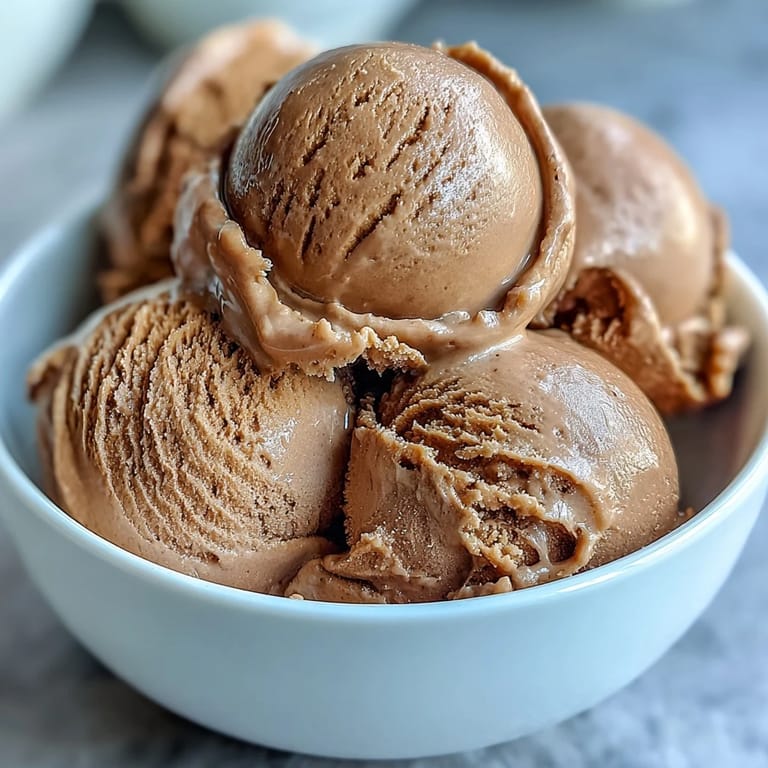
This ice cream deserves to be served alongside something that lets its flavor breathe—fresh berries, crispy mochi, or even a thin sugar cookie all work because they don't compete but rather frame the hojicha. Store it in an airtight container away from strong-smelling foods, since ice cream is remarkably good at absorbing flavors from its freezer neighbors, and it keeps beautifully for up to two weeks. For an elevated presentation, consider these simple touches:
- A sprinkle of toasted sesame seeds adds textural contrast and brings out the nuttiness of the hojicha.
- A light drizzle of sweetened condensed milk on top mimics the experience of Japanese-style cafe culture and adds creamy sweetness.
- Serving it with a small cup of actual hojicha tea on the side creates a beautiful sensory experience that shows off both flavors.
 Save
Save Making hojicha ice cream at home means you're not just creating a dessert—you're capturing something warm and roasted and deeply satisfying in frozen form. Serve it proudly, and watch people taste something they didn't know they were missing.
Recipe Q&A
- → What does hojicha taste like?
Hojicha has a distinctive roasted, nutty flavor with caramel-like notes. Unlike regular green tea, the roasting process reduces bitterness and creates a warm, toasty profile that pairs beautifully with creamy dairy products.
- → Can I make this without an ice cream maker?
Yes. Pour the chilled custard into a shallow container and freeze for 2-3 hours, stirring vigorously every 30 minutes to break up ice crystals until firm. The texture will be slightly denser but still delicious.
- → How long does this keep in the freezer?
Store in an airtight container for up to 2 weeks. For best texture, let sit at room temperature for 5-10 minutes before scooping. Place parchment paper directly on the surface to prevent ice crystals.
- → What toppings work well with hojicha ice cream?
Toast sesame seeds, sweetened condensed milk drizzle, fresh seasonal fruit, red bean paste, or small pieces of mochi complement the roasted tea flavor beautifully. A sprinkle of matcha powder also adds visual contrast.
- → Is hojicha different from matcha?
Yes. Matcha is made from shade-grown tea leaves ground into a fine powder, while hojicha consists of tea leaves and stems roasted over high heat. This roasting gives hojicha its reddish-brown color and reduces caffeine content significantly.
- → Can I use hojicha powder instead of loose leaves?
Absolutely. Use 2 tablespoons of hojicha powder and whisk it directly into the warm milk mixture. No straining is required with powder, though some small tea particles may remain for added texture.