 Save
Save The first time I encountered hojicha, it was steaming in a ceramic cup at a small tea shop tucked between tall buildings in Tokyo, and the smell was nothing like the green tea I expected—toasty, almost nutty, with a warmth that felt like an embrace. Years later, I found myself wondering if that same magic could live in a cake, and after several attempts (and one spectacularly deflated sponge), this fluffy hojicha cake emerged from my oven as the answer I didn't know I was searching for. It's delicate without being fragile, with a subtle smokiness that whispers rather than shouts, and each bite carries that same sense of comfort I felt holding that warm cup.
I made this for my neighbor's birthday last spring, and watching her close her eyes after the first bite—just pausing there—told me everything I needed to know about whether this recipe was worth keeping. She asked what the flavor was, and when I said hojicha, she immediately wanted to know how to find it, which meant this cake had somehow turned a casual afternoon into an unexpected kitchen adventure for someone else.
Ingredients
- Eggs (4 large, room temperature): Room temperature eggs incorporate air more easily and create that signature fluffy sponge texture; cold eggs won't whip to the same volume, so take them out about an hour before baking.
- Granulated sugar (120 g): This feeds the eggs as you whip them, building structure and helping achieve that pale, tripled-in-volume stage that makes the cake impossibly light.
- Cake flour (120 g, sifted): Use cake flour, not all-purpose—the lower protein content keeps the cake tender rather than chewy, and sifting it twice prevents lumps that would sink into your batter.
- Hojicha powder (20 g for cake, 10 g for cream): This roasted green tea powder is the soul of the recipe; buy it from a Japanese grocer or online, and store it in an airtight container away from light so it stays fragrant.
- Unsalted butter (40 g, melted and cooled): Melted butter distributes more evenly than solid butter and creates a finer crumb; cooling it first prevents it from scrambling the eggs.
- Whole milk (30 ml, room temperature): The butter-milk mixture is a technique called the beurrage method, and it adds richness without deflating your carefully whipped eggs.
- Fine sea salt (1/4 tsp): Salt enhances the hojicha flavor and balances sweetness—don't skip it, even in such a small amount.
- Heavy cream (300 ml, minimum 35% fat): High-fat cream whips into silky peaks; anything lower and you'll end up with grainy butter instead of cloud-like frosting.
- Powdered sugar (40 g): This dissolves faster than granulated sugar and won't create gritty cream.
- Vanilla extract (1 tsp): A small amount adds depth without making the hojicha flavor compete for attention.
Tired of Takeout? 🥡
Get 10 meals you can make faster than delivery arrives. Seriously.
One email. No spam. Unsubscribe anytime.
Instructions
- Set up and warm your eggs:
- Preheat your oven to 170°C and line a 20 cm round pan with parchment on the bottom only—no greasing the sides, as the cake needs something to cling to while rising. In a heatproof bowl, whisk together your room-temperature eggs and granulated sugar, then place it over a pot of gently simmering water (the bowl shouldn't touch the water), whisking constantly until the mixture feels warm to the touch and reads about 40°C on a thermometer.
- Whip to fluffy clouds:
- Remove the bowl from heat and switch to an electric mixer on high speed, beating for about 7 minutes until the mixture transforms into something pale, thick, and tripled in volume—you should be able to draw a ribbon across the surface that holds its shape for a moment. Beat for one more minute at a slower speed to stabilize the foam.
- Fold in the dry ingredients gently:
- Sift together your cake flour, hojicha powder, and salt, then fold this mixture into the eggs in two additions using a rubber spatula, rotating the bowl and cutting down through the center with a gentle hand—you're trying to preserve every bit of air you just whipped in. Overmixing here is the enemy of fluffiness.
- Add the butter mixture:
- Scoop out about a quarter of your batter and stir it into the bowl containing your cooled melted butter and milk, then gently fold this enriched mixture back into the main batter—this technique keeps the butter from collapsing the foam. The batter should look smooth and light.
- Bake with patience:
- Pour into your prepared pan and tap it gently on the counter to release any large air bubbles, then slide it into the oven and set a timer for 23 to 25 minutes. The cake is done when the top springs back when you press it lightly and a wooden skewer inserted into the center comes out clean, with maybe just a few moist crumbs clinging to it.
- Cool and unmold:
- Let the cake rest in its pan for 10 minutes—this is important, as it prevents cracking—then run a thin knife around the edges and invert it onto a cooling rack, peeling away the parchment. Let it cool completely before even thinking about slicing, as a warm sponge cake is fragile.
- Whip the hojicha cream:
- While the cake cools, chill a mixing bowl in the freezer, then sift the hojicha powder and powdered sugar together into the cold bowl to remove lumps. Add your heavy cream and vanilla extract, then whip on medium-high speed until you reach medium-stiff peaks—there's a sweet spot between silky and over-whipped that takes practice, but you'll know it when the cream holds a gentle shape.
- Layer and assemble:
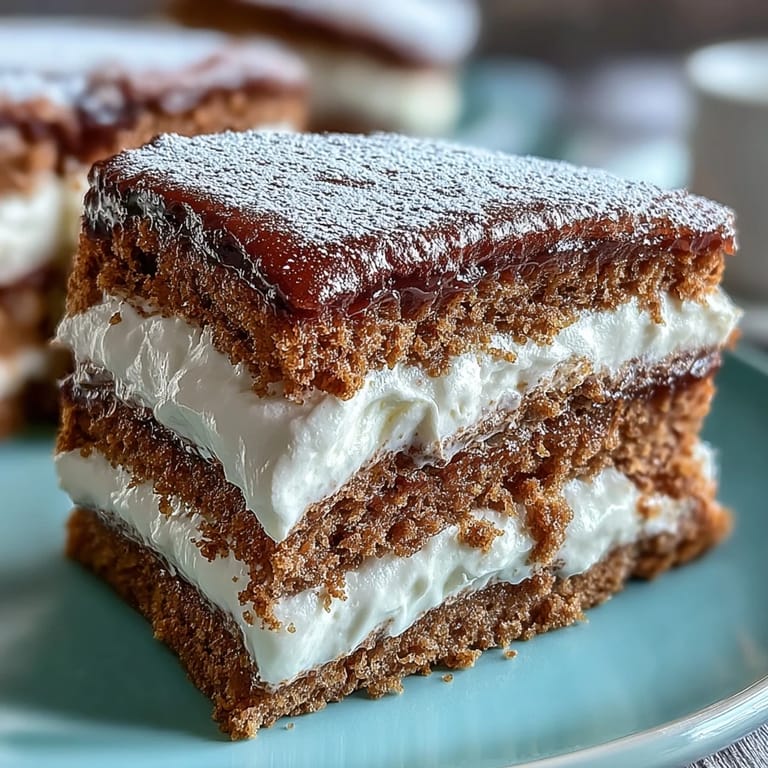
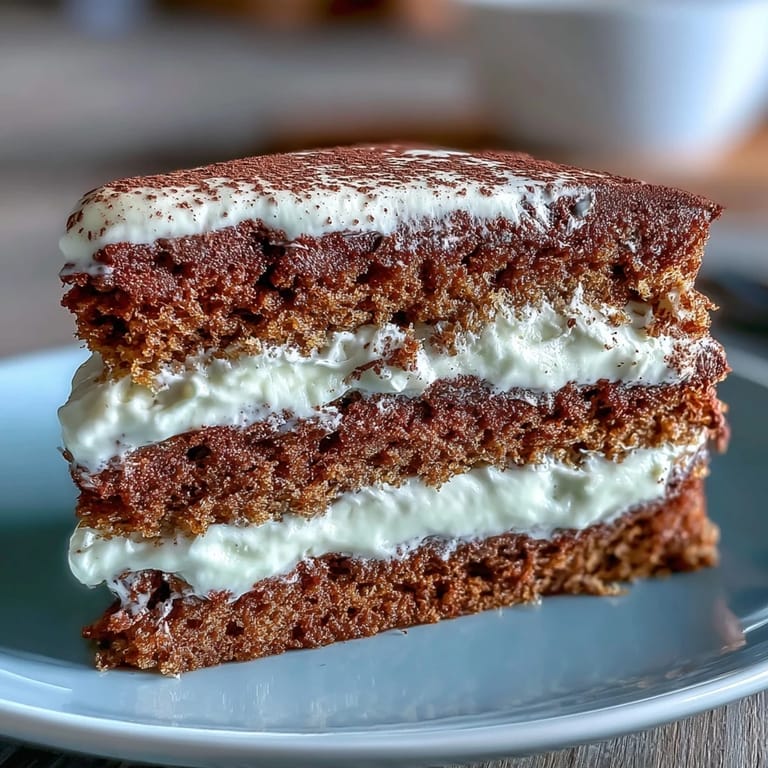
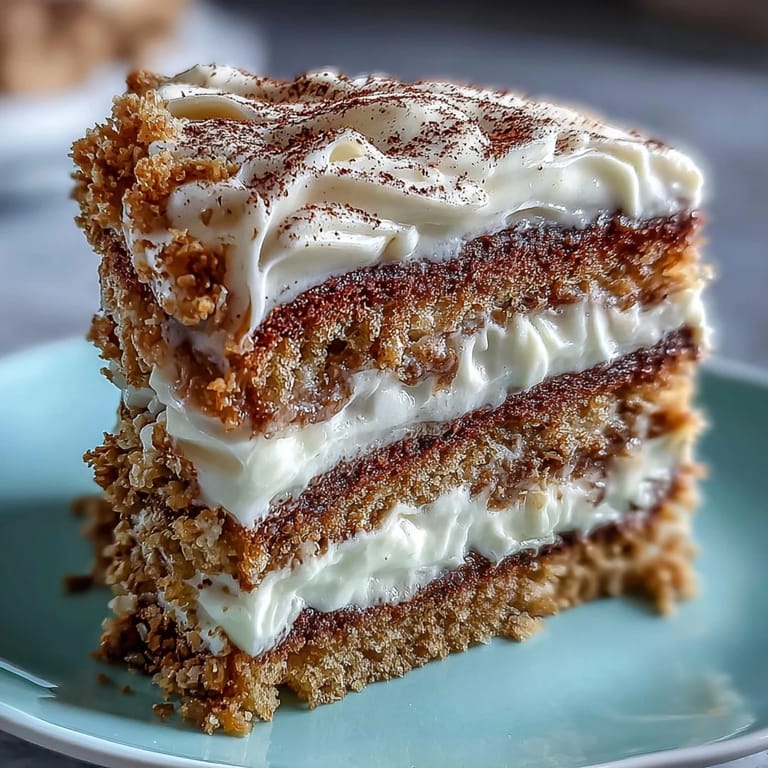
- Once the sponge is completely cool, use a serrated knife to slice it horizontally into two or three layers, taking your time and rotating the cake as you cut. Spread a generous layer of hojicha whipped cream between each layer and across the top, then dust with extra hojicha powder if you like the look.
- Chill before serving:
- Pop the finished cake into the fridge for at least 30 minutes before slicing—this gives the layers time to set and makes for cleaner, prettier slices.
 Save
Save There's a moment after you've pulled the cake from the oven and it's cooling on the rack, when the kitchen fills with this toasty, almost woody aroma—not quite tea, not quite caramel—and you realize you've created something that tastes like an experience rather than just dessert. That's when I knew this cake had crossed over from recipe to something worth remembering.
Why Hojicha Matters
Hojicha is green tea that's been roasted at high temperatures, which removes the grassy sharpness and replaces it with something deeper—almost like toasted rice or a gentle coffee flavor, but entirely its own thing. Once you understand that hojicha is about subtlety, the whole cake clicks into place; you're not chasing bold flavor, you're creating an atmosphere on a plate.
The Science of Sponge Cake
A genoise sponge relies entirely on whipped eggs for its lift—there's no baking powder or baking soda hiding in the wings—which means every beat of the mixer matters, and why the folding-in step feels so critical. This method creates a cake with a fine, delicate crumb that's almost cloud-like, which is exactly what you want when you're trying to let a subtle flavor like hojicha shine through without competing with heaviness.
Storing and Serving Your Cake
This cake keeps well in the refrigerator, covered loosely, for up to three days—though honestly, I've rarely had it last that long because everyone keeps sneaking into the kitchen for another slice. You can also freeze the unfrosted sponge for up to a week, which makes it perfect for baking ahead and decorating closer to when you'll serve it.
- Brush each layer lightly with cooled hojicha tea or a simple sugar syrup before adding cream if you prefer a moister cake.
- Garnish with chocolate shavings, roasted hazelnuts, or candied orange peel for texture and visual interest.
- Slice with a sharp serrated knife, dipping it in hot water and wiping it clean between cuts, for the cleanest, prettiest slices.
 Save
Save This cake has quietly become my answer to the question of what to make when I want to impress someone without seeming like I tried too hard—the kind of dessert that tastes like it came from somewhere special, even when it came from your own kitchen. There's something beautiful about a cake that lets one ingredient speak softly and still be heard.
Recipe Q&A
- → What does hojicha taste like?
Hojicha has a distinctive roasted, earthy flavor with notes of caramel and subtle smokiness. Unlike other green teas, it's low in tannins and caffeine, resulting in a smooth, mellow taste that pairs beautifully with sweet desserts and creamy textures.
- → Can I substitute hojicha powder with matcha?
While matcha can be used, it will significantly change the flavor profile. Matcha is more grassy, bitter, and vibrant, whereas hojicha offers a roasted, caramel-like taste. If you must substitute, expect a different color and more pronounced vegetal notes in your finished cake.
- → Why is my genoise sponge dense instead of fluffy?
A dense genoise usually results from under-whipping the egg-sugar mixture or deflating it during folding. Ensure you whip until tripled in volume and thick ribbons form. When folding, use a gentle motion and fold just until combined—overworking will knock out the air bubbles essential for that airy texture.
- → How should I store the assembled cake?
Store in an airtight container in the refrigerator for up to 3 days. The cream contains dairy and will spoil at room temperature. For best texture, let chilled slices sit at room temperature for 10-15 minutes before serving, as the cold firms up both the sponge and cream.
- → Can I make this cake in advance?
Absolutely. Bake the sponge up to 2 days ahead and wrap tightly in plastic at room temperature. The whipped cream can be prepared 1 day in advance and stored in the refrigerator. Assemble the cake no more than 24 hours before serving for optimal freshness and texture.