 Save
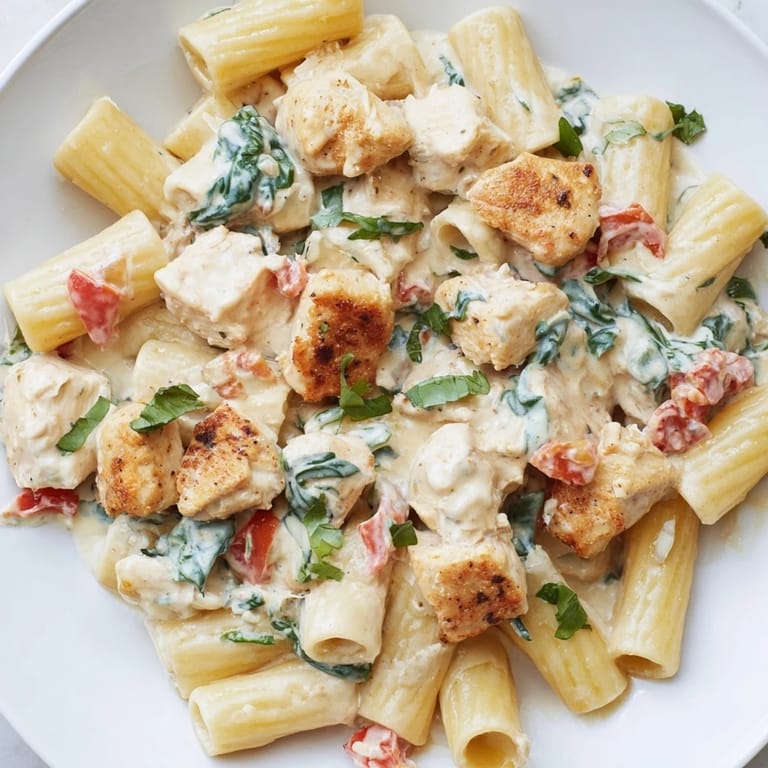
Save There's something about a creamy pasta that turns a regular Tuesday into something worth celebrating. I stumbled onto this budget version of Marry Me Chicken while standing in my pantry at 6 PM with zero plans for dinner and a chicken breast that needed cooking. What started as creative problem-solving—swapping expensive ingredients for what I already had—became the dish I now make whenever I want that restaurant-quality comfort without the restaurant price tag. The canned tomatoes do something magical when they meet cream and garlic, creating this silky sauce that tastes like it simmered for hours when it really only needed thirty minutes.
I made this for my neighbor Sarah on a Thursday when she mentioned being exhausted from work, and I watched her face light up at that first bite. She kept asking what restaurant I'd ordered from, which I'll admit made my kitchen feel a little bit magical that evening. That's when I realized this recipe wasn't just about feeding people—it was about showing someone they mattered through a bowl of pasta.
Ingredients
- Chicken breasts: Cutting them into bite-sized pieces means they cook through in minutes and nestle perfectly into every forkful of pasta.
- Penne or rigatoni: These shapes trap the sauce better than thin pasta—worth the small difference in texture.
- Olive oil: Don't skip this; it's your foundation for building flavor before anything else hits the pan.
- Garlic: Minced fresh is non-negotiable here—it transforms the whole dish into something aromatic and alive.
- Italian herbs: Dried works perfectly in this sauce, no fresh herbs required at this stage.
- Red pepper flakes: A whisper of heat that makes people ask what's in the sauce without knowing quite why it tastes so good.
- Canned tomatoes: Draining them is the secret—it prevents the sauce from becoming watery and lets you control the texture.
- Chicken broth: This keeps the sauce silky without overpowering the tomato flavor.
- Heavy cream: The magic ingredient that transforms tangy tomato into something luxurious and comforting.
- Parmesan cheese: Grated fresh if possible—it melts into the warm sauce and adds a savory depth that changes everything.
- Spinach: Optional, but it adds a bright note and makes you feel less guilty about the cream.
- Fresh basil: Scatter it on just before serving; it's the green punctuation that makes every bite taste intentional.
Tired of Takeout? 🥡
Get 10 meals you can make faster than delivery arrives. Seriously.
One email. No spam. Unsubscribe anytime.
Instructions
- Get Your Pasta Going:
- Fill a large pot with salted water and bring it to a rolling boil—you want it bubbling enthusiastically before the pasta goes in. Cook according to the package instructions but taste it a minute early; you're after that tender-but-still-has-a-bite texture called al dente, and remember to reserve that half cup of pasta water before you drain everything, because starchy pasta water is liquid gold for adjusting your sauce later.
- Sear That Chicken:
- Heat your olive oil in a large skillet over medium-high heat until it shimmers, then add your bite-sized chicken pieces in a single layer and let them sit for a couple minutes without stirring—this golden crust that forms is flavor you don't want to rush. Season generously with salt and pepper, toss everything around for another few minutes until the chicken is cooked through with no pink inside, then transfer it to a clean plate.
- Build the Flavor Base:
- In the same skillet (don't wash it—those browned bits are important), reduce the heat to medium and add your minced garlic, Italian herbs, and red pepper flakes if you're using them. Let this sizzle and soften for about a minute, and your kitchen will smell like an Italian grandmother is definitely cooking nearby.
- Create the Sauce Foundation:
- Pour in your drained diced tomatoes and chicken broth, stirring gently and letting everything simmer together for three to four minutes so the flavors have time to get acquainted and the tomatoes break down slightly. You'll notice the sauce starting to smell richer and more complex.
- Add the Cream and Cheese:
- Reduce the heat to low and stir in your heavy cream slowly, watching as the sauce transforms into something silky and luxurious, then add your grated Parmesan and let it melt in, stirring until everything is smooth and cohesive. Simmer gently for two to three minutes—you want warmth, not bubbles, or the cream might separate.
- Bring It Together:
- Return the chicken to the skillet along with any juices that collected on the plate, add your chopped spinach if you're using it, and stir everything together until the spinach wilts into the sauce in about a minute. This is when the dish starts to feel complete.
- Marry the Pasta and Sauce:
- Add your cooked pasta to the skillet and toss everything together gently but thoroughly, making sure every piece gets coated in that creamy sauce. If the sauce seems too thick, splash in some of that reserved pasta water a little at a time until you reach that perfect consistency—somewhere between clinging to the pasta and pooling slightly on the plate.
- Taste and Adjust:
- This is your moment to add more salt, pepper, or even a pinch more red pepper flakes if you want it—taste as you go and trust your instincts. Serve immediately in bowls, scattered with fresh basil, and watch people close their eyes on that first bite.
 Save
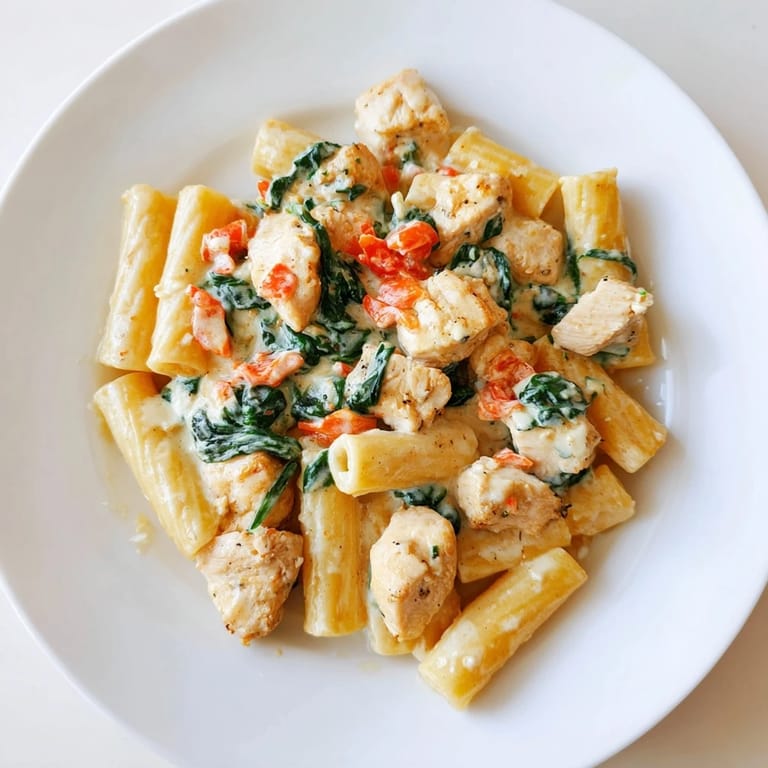
Save There was a quiet moment last winter when my son—who usually picks at creamy pasta—actually asked for seconds, and I realized this dish had become his comfort food too. That's when it shifted from being a budget dinner hack to something that genuinely mattered in my kitchen.
Ingredient Swaps That Actually Work
I've played around with variations enough times to know what sticks and what disappoints. Chicken thighs make this sauce even richer because the meat is naturally juicier, though the cooking time bumps up to seven or eight minutes. Rotisserie chicken from the grocery store works in a pinch—just shred it and add it at the end instead of cooking it in the skillet, which saves you about five minutes on a night when you're truly pressed for time. I once used half-and-half instead of heavy cream for a lighter version, and honestly, it was still delicious, just slightly less luxurious. The spinach is genuinely optional; I've made this with arugula instead, which adds a peppery note, or sometimes I skip the greens entirely and no one complains.
Wine Pairing and Table Setting
A crisp white wine like Pinot Grigio genuinely changes the meal—something about the acidity of the wine against the creaminess of the sauce makes each bite taste more intentional. I've learned to light a candle before I even start cooking, because somehow that warm glow in the kitchen shifts the whole experience from weeknight dinner to something that feels a bit more special. Serve this in shallow bowls rather than deep ones so the pasta stays warm and the sauce pools slightly, creating that restaurant presentation without any actual fancy technique.
Making It Your Own
This recipe is honestly just a starting point, and I love that about it. The beauty of having a solid base is that you can fold in whatever's lingering in your crisper drawer or calls to you on a particular Tuesday. Sun-dried tomatoes add a deeper, more concentrated tomato flavor that transforms the sauce into something almost luxurious, or try fresh mushrooms sautéed alongside the chicken for an earthy dimension. The red pepper flakes can be adjusted to your spice preference—some nights I triple them, other nights I leave them out entirely.
- Fresh herbs like thyme or oregano can replace the dried Italian seasoning if you happen to have them growing on a windowsill.
- A squeeze of fresh lemon juice at the end brightens everything and makes the cream taste less heavy.
- Nutmeg—just a tiny pinch—is a secret weapon that deepens the flavor without anyone knowing what changed.
 Save
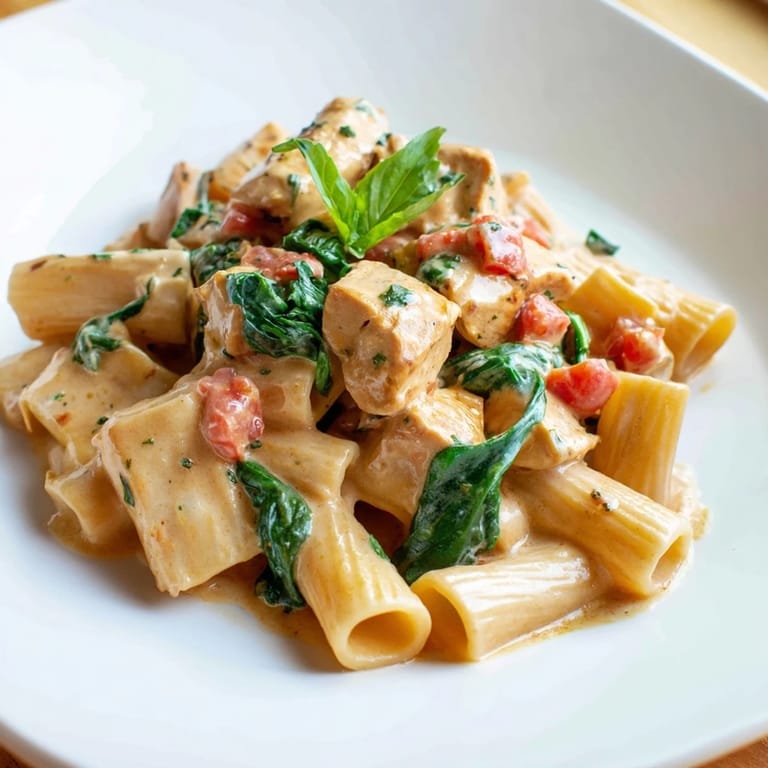
Save This is the kind of dish that fills your home with a smell that makes people ask what you're cooking before they even walk through the door. It's affordable, it's fast, and somehow it tastes like you've been in the kitchen all day making something worth remembering.
Recipe Q&A
- → What type of pasta works best with this dish?
Penne or rigatoni pasta hold the sauce well, providing a balanced texture with the creamy blend.
- → Can I use chicken thighs instead of breasts?
Yes, chicken thighs offer more juiciness and can be substituted for a richer texture.
- → Is fresh spinach necessary in the dish?
Spinach adds a mild freshness but can be omitted or replaced with arugula per preference.
- → How can the sauce consistency be adjusted?
Reserved pasta water can be added gradually to achieve the desired sauce thickness.
- → Can this dish be prepared faster?
Using pre-cooked or rotisserie chicken reduces cooking time without sacrificing flavor.