 Save
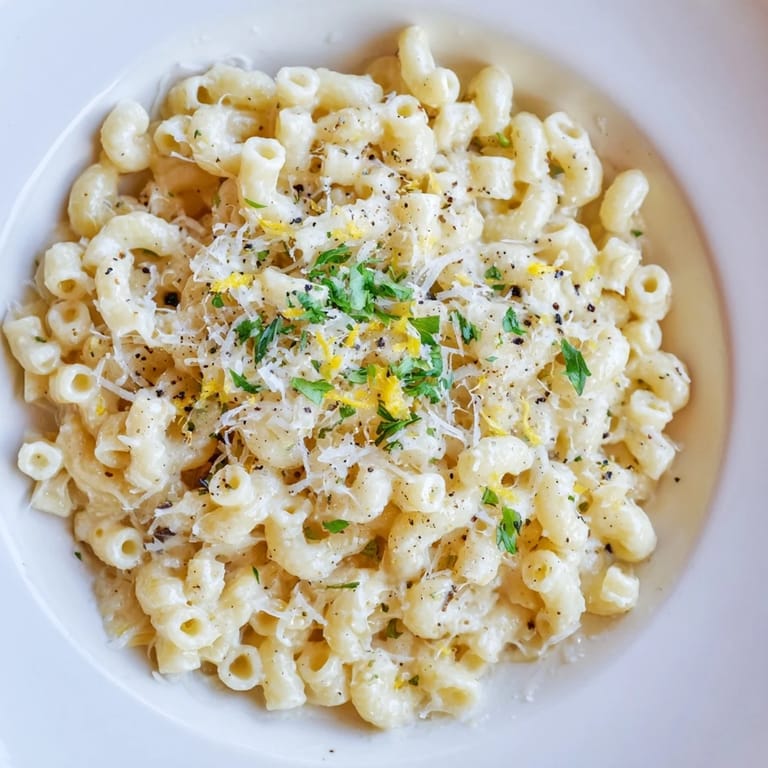
Save There's something about the smell of garlic hitting hot butter that stops me mid-thought every single time. I discovered this dish on a Tuesday night when I had exactly fifteen minutes before guests arrived and nothing thawed except butter and cream. The pasta water did the heavy lifting, turning what could have been a thin, sad sauce into something silky and alive. It wasn't fancy, but it became the thing people asked for.
I made this for my neighbor who'd just moved in, and she came back the next week asking if I'd been a chef somewhere. I hadn't. I just knew that butter shouldn't be afraid of garlic, and that a little cream makes everything taste intentional. She's made it dozens of times since, and honestly, that validation stuck with me more than it probably should have.
Ingredients
- Ditalini pasta: Small tubes catch the sauce in every bite, holding onto flavor better than you'd expect from something so tiny.
- Unsalted butter: Four tablespoons sounds gentle until you smell it melting, then it becomes the entire point.
- Garlic: Mince it fine so it dissolves into the butter rather than staying chewy and sharp.
- Heavy cream: The insurance policy that keeps the sauce silky even if you panic and overcook the pasta water.
- Parmesan cheese: Freshly grated, never the pre-grated stuff that hides behind anti-caking agents.
- Black pepper and salt: Tasted at the very end because the Parmesan brings saltiness you didn't predict.
- Parsley and lemon zest: Optional, but they're what separate this from just being creamy pasta.
Tired of Takeout? 🥡
Get 10 meals you can make faster than delivery arrives. Seriously.
One email. No spam. Unsubscribe anytime.
Instructions
- Get the water going:
- Boil salted water in a large pot, then add ditalini and cook until just barely tender, about eight minutes. This is where patience pays off—slightly underdone pasta will firm up in the sauce, and you want it yielding, not mushy.
- Build the garlic foundation:
- While pasta cooks, melt butter over medium heat in a skillet and add minced garlic. You're listening for it to turn fragrant and golden at the edges, never brown—brown garlic tastes bitter and ruins the whole delicate thing.
- Add the cream carefully:
- Lower heat, then pour in cream and about a quarter cup of the pasta water you just reserved. Let it come to a gentle simmer, which you'll recognize by tiny bubbles creeping around the edges.
- Bring it together:
- Drain the pasta and add it straight to the skillet, then toss everything until each small tube is coated and the sauce turns glossy. The pasta water does the magic here, binding butter and cream into something greater than the sum of its parts.
- Finish with intention:
- Sprinkle in Parmesan, pepper, and salt, stirring until smooth. If it's too thick, splash in more pasta water a tablespoon at a time until you get the consistency you're craving.
- Brighten and taste:
- Remove from heat, stir in parsley and lemon zest if you're using them, then taste and adjust everything one last time. Season boldly enough that people notice.
 Save
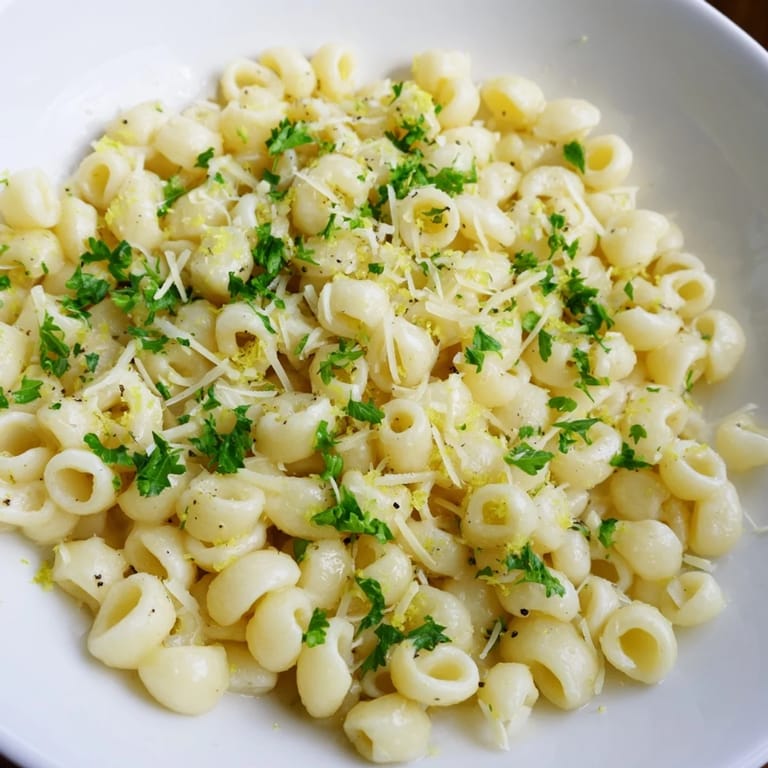
Save The moment I knew this recipe was real was when my eight-year-old asked for it three nights in a row, and I realized I'd made something that tasted indulgent but was actually just honest cooking. No pretense, no waiting, just butter and intention on a plate.
Why Butter and Cream Do the Heavy Lifting
I used to think rich sauces required complexity, but this dish proved me wrong. The butter becomes the carrier, the cream is the softness, and the garlic is the voice that reminds you this is real food, not just calories. Together, they make something taste homemade in the best way—generous and unpretentious. The pasta water is what separates this from just tossing noodles in melted butter; it creates an emulsion that coats every piece evenly and tastes lighter than cream alone ever could.
Making It Your Own Without Losing the Plot
The beauty here is that you don't need permission to adjust. If you want heat, red pepper flakes scattered on top will find every corner. If you want richness beyond reason, add a spoonful of mascarpone right at the end and watch it melt into clouds. If you have fresh herbs hanging around—basil, thyme, chives—they'll only make this better, never worse. The fifteen minutes is a promise, not a prison.
What Happens When You Have Leftovers
Leftover pasta sometimes turns into paste the next day, but this one reheats with grace because of the cream. Scoop it into a pan, add a splash of milk, and warm it gently until it loosens back up and remembers how to be silky. It won't taste exactly like night one, but it'll taste intentional, like you chose to make it again rather than just eating yesterday's dinner cold.
- Store in an airtight container for up to two days, and treat reheating like cooking, not just warming.
- A splash of milk or cream when reheating makes the difference between creamy and congealed.
- Taste it again after reheating—you might want more Parmesan or lemon than you did the first time.
 Save
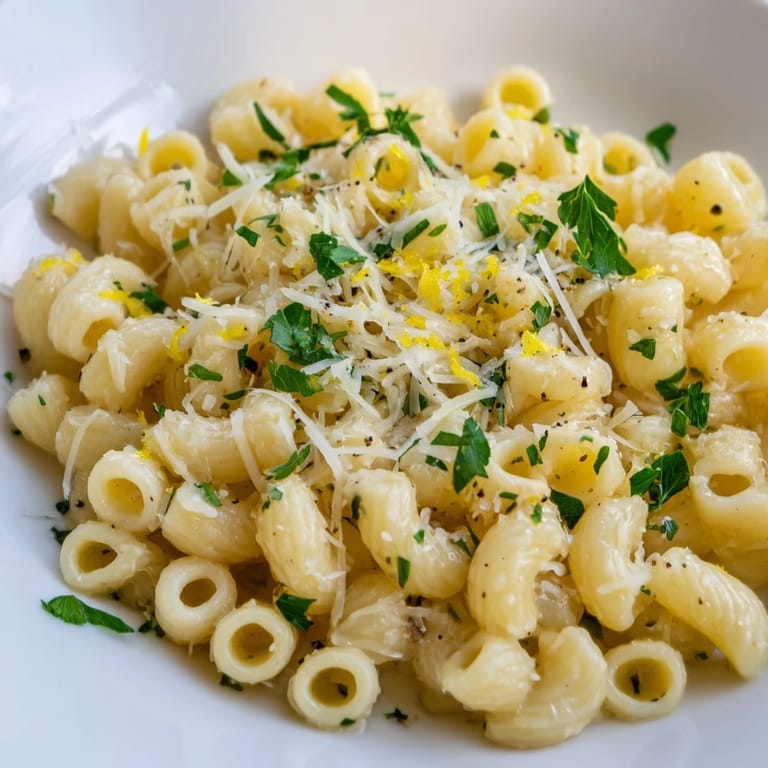
Save This is the pasta I make when I want to prove that cooking doesn't have to be complicated to be good, and that fifteen minutes is enough time to feed people something they'll actually remember. Serve it immediately, watch someone taste it, and you'll understand why I keep making it.
Recipe Q&A
- → What type of pasta is best for this dish?
Miniature pasta shapes like ditalini work well as they hold the creamy sauce effectively, ensuring every bite is flavorful.
- → How can I prevent the garlic from burning?
Sauté garlic on medium heat for just 1–2 minutes until fragrant but not browned to keep a smooth, mellow flavor.
- → Why add reserved pasta water to the sauce?
Pasta water contains starch that helps achieve a silky sauce consistency and allows the sauce to coat the pasta evenly.
- → Can I adjust the creaminess of the sauce?
Yes, adding extra cream or a spoonful of mascarpone enriches the sauce, while more pasta water can thin it if too thick.
- → What garnishes complement this dish?
Fresh parsley and lemon zest add brightness, while extra Parmesan enhances the richness for a well-rounded finish.